
By Kehinde-Hassan Afolabi
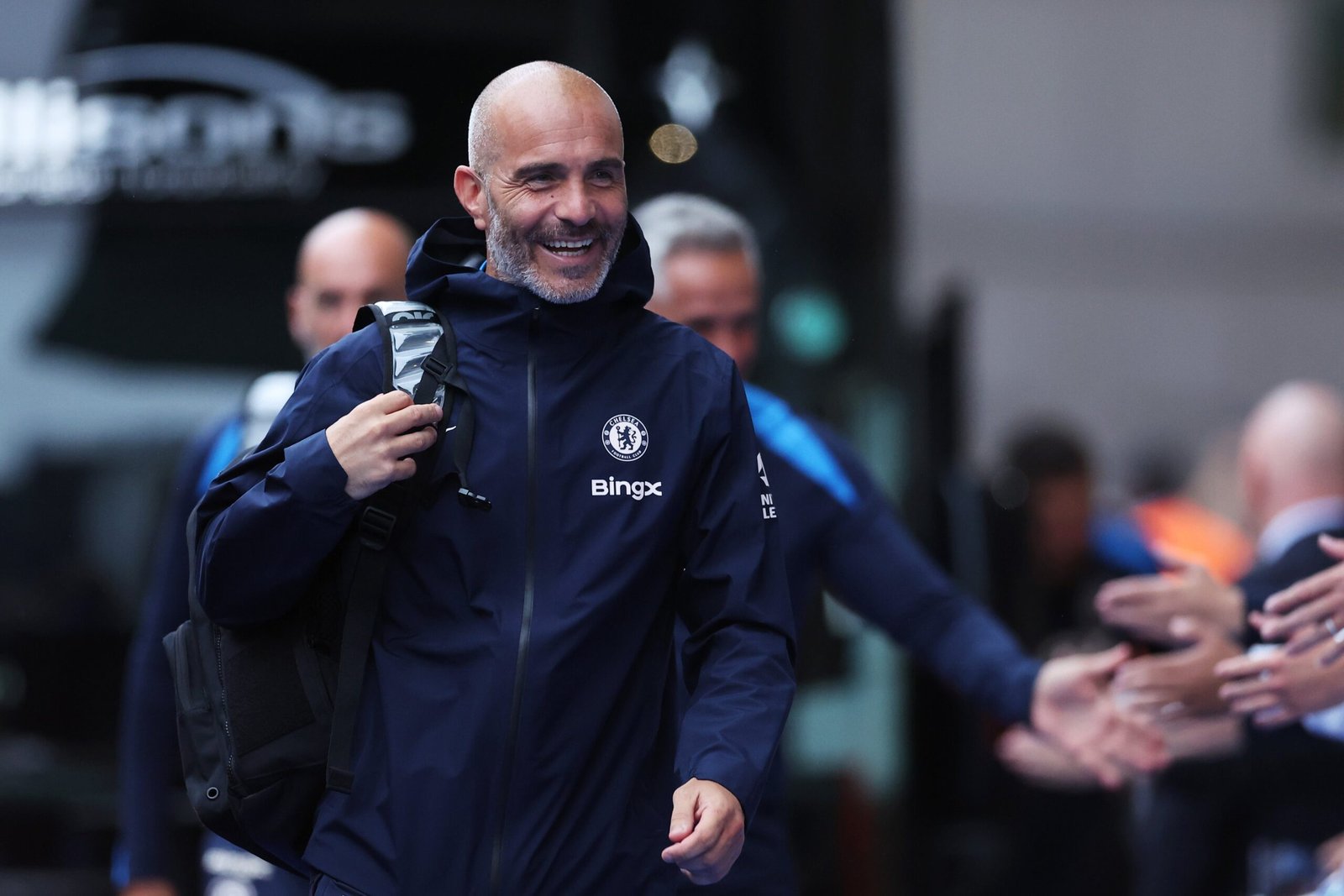
Rather than waiting for push to reach shove, Enzo Maresca seemingly triggered the fallout at Chelsea himself. Driven by the lure of a better opportunity, he exploited the board’s reputation to facilitate a move that all should view as an outright betrayal, though not many can see the light because he leaves not only with a checkmate, but also a check.
The Italian won over the fans in West London with his sleek and free-flowing football, backed with quality nerve, especially when the odds are stacked, a quality that defined his best moments at Chelsea, and saw him win the Club World Cup in the summer.
However, just like many managers, he could not get his team to maintain the consistency needed to challenge for the major titles, and at Chelsea, where managers barely survive for long, maybe, he wasn’t going to beat the odds.
While those who backed him would argue that he was ahead of the curve, those who invested their money and watched the team lose and drop points in favourable fixtures saw things in a different light. However, the potential could still let them leave him in charge.
Maresca, a proud figure himself, would not settle for an environment that did not fully trust him. The rift started in the summer but escalated at the start of December, when the team embarked on a run that ultimately saw them win just one of seven league games before quitting.
Surprisingly, his bust-up coincided with reports of Manchester City’s approach over the soon-to-be vacant role at the club, when Pep Guardiola stepped down in the near future, with the Spaniard having one more year on his current deal.
Maresca spent years at City working under Pep Guardiola as assistant manager as well as the youth teams, where he managed current Chelsea stars like Cole Palmer, Liam Delap, and Romeo Lavia.
And once the reported contact was made, it upset his resolve at the club; it would appear that Enzo Maresca had already decided to close his Chelsea chapter and move on.
Why Enzo Maresca left Chelsea?
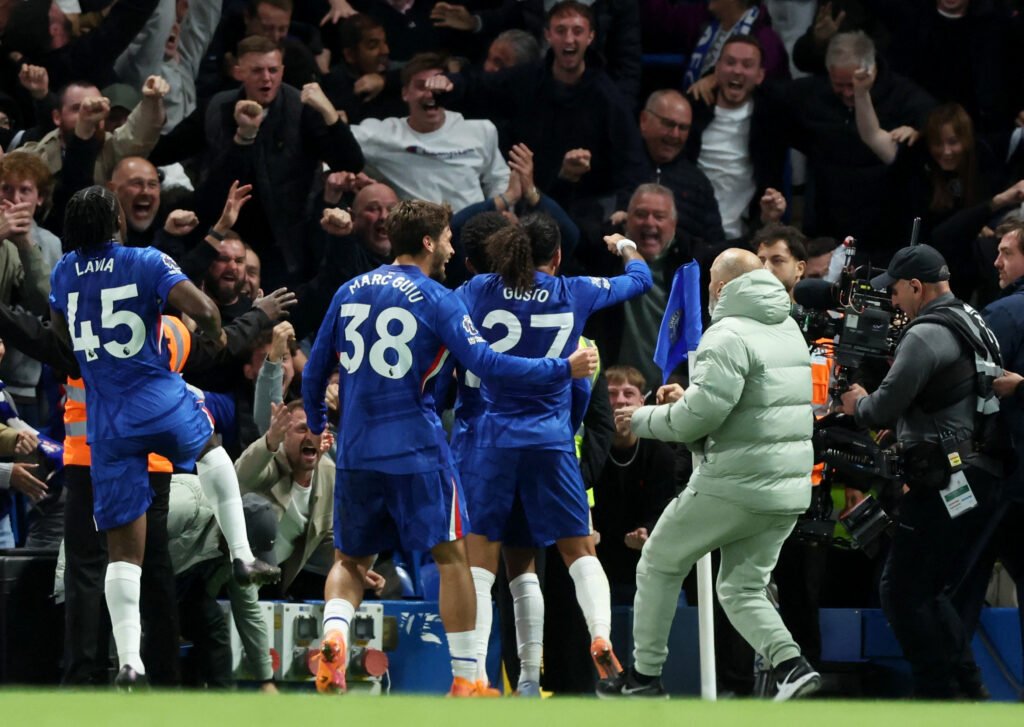
The reasons have been narrowed down to four, one of which was the clash with the medical department due to the management of players’ workload, especially those returning from injuries.
The Cole Palmer situation was mentioned by sources close to the club, who claimed the management instructed Maresca not to overplay him as they have plans to put him up for sale, and wouldn’t want him to become injury-prone to maximize his market value.
Another issue was the lack of influence on the project. Sources close to the Italian say he felt he deserved backing similar to that enjoyed by Mikel Arteta, including a say in shaping the project, with the Spaniard having significant influence over Arsenal’s transfer policy.
In addition, the Manchester City approach clearly unsettled Maresca. This external interest created a major distraction, making it impossible for him to remain fully focused on Chelsea.
And finally, the run of poor results felt largely avoidable, especially the one at Leeds United, where he, Maresca, altered a team that put up a great fight against Arsenal, and was already missing the suspended Moises Caicedo.
Enzo Maresca called for the sack?
This is closer to the truth than any other narrative. But whatever it is to be known about this saga may come later, because there are lots of reports suggesting this, and others; more.
Chelsea went four games without a win before their victory over Everton, and right after the full-time whistle, Maresca decided to give the ‘worst 48 hours interview’, also in light of the reports linking him with City.
After a couple of wins, another run of poor results followed, and in what turned out to be his final game, he refused to hold a post-match interview, leaving it to assistant Willy Caballero, who claimed the manager was sick.
Sick of the club. Maybe.
The fact that reports surfaced regarding his intentional boycott of media sessions, rather than actual illness, reveals a deeply fractured relationship. Such public transparency regarding internal disputes typically indicates that the situation has reached a point of no return.
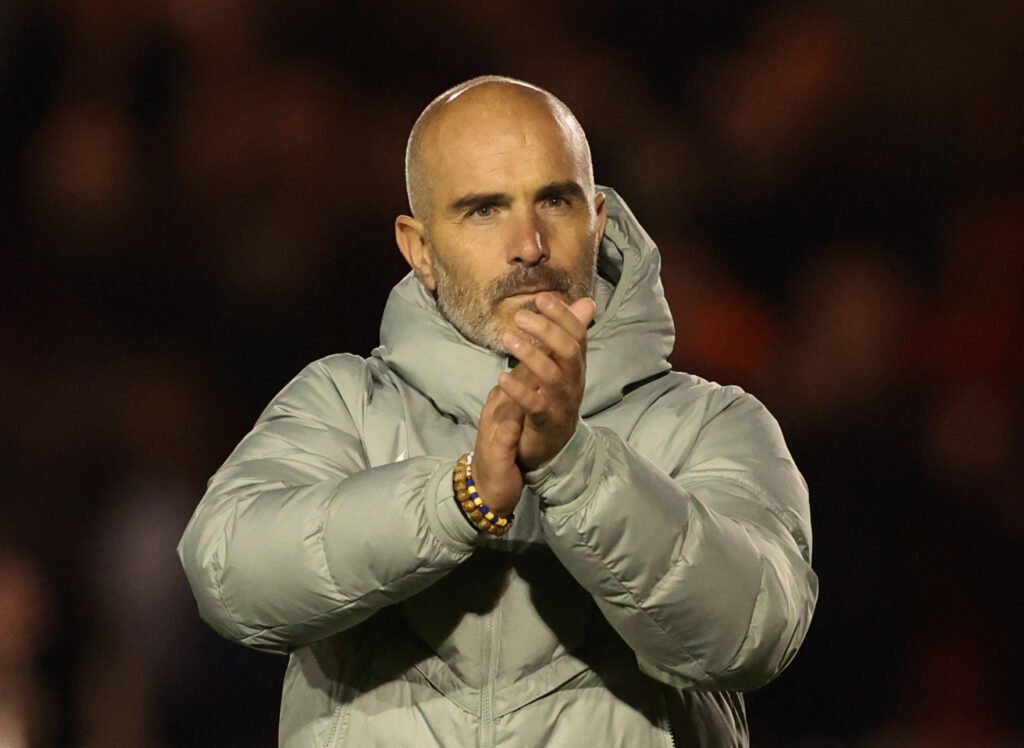
It was obvious Maresca wanted to leave, and had to give reasons to the club to want to let him go, because in reality, not many managers want to leave. They preferred to be sacked so they could receive their compensation fees. For Maresca, the results didn’t do the trick faster, but his attitude sure did.
He knew about the Arteta kind of privilege at Arsenal, but his own contract at Chelsea did not entail that, because the culture at clubs is different. Even though he has earned it, he couldn’t force them into a compromise.
Chelsea management, too, has an important decision to make, but their reputation of always sacking managers preceded them, and on that technicality, Enzo Maresca may defeat the betrayal narrative clearly written in this saga.
Maresca may have a contract that may last until 2029, but he was no longer committed to the project, and with their busy schedule in January, a solution had to be made, and in time, because the nine games of the month could define their season.
Who could blame a man for wanting more security on his job? Chelsea could choose to sack him anytime, as they always do with managers. After all, no manager has lasted 1,000 days at the club since the end of Jose Mourinho’s first spell.
Maresca became the first Premier League manager to leave their post on New Year’s Day in history, but he would still be remembered as the one who won them the Conference League and made them Club World champions.
Did Chelsea’s owners let him down?
There are several narratives behind the decision of Enzo Maresca, and while fans who have been won over by the Italian may defend his decision, the hierarchy will cheaply link it to the City approach, and that he prioritizes a return to where he was made.
However, the lack of full authority given to managers at the club may have impacted his decision. Even though Maresca knew this was how the club ran before signing, the lure of better authority at an apparent bigger project would be enough to want a change.
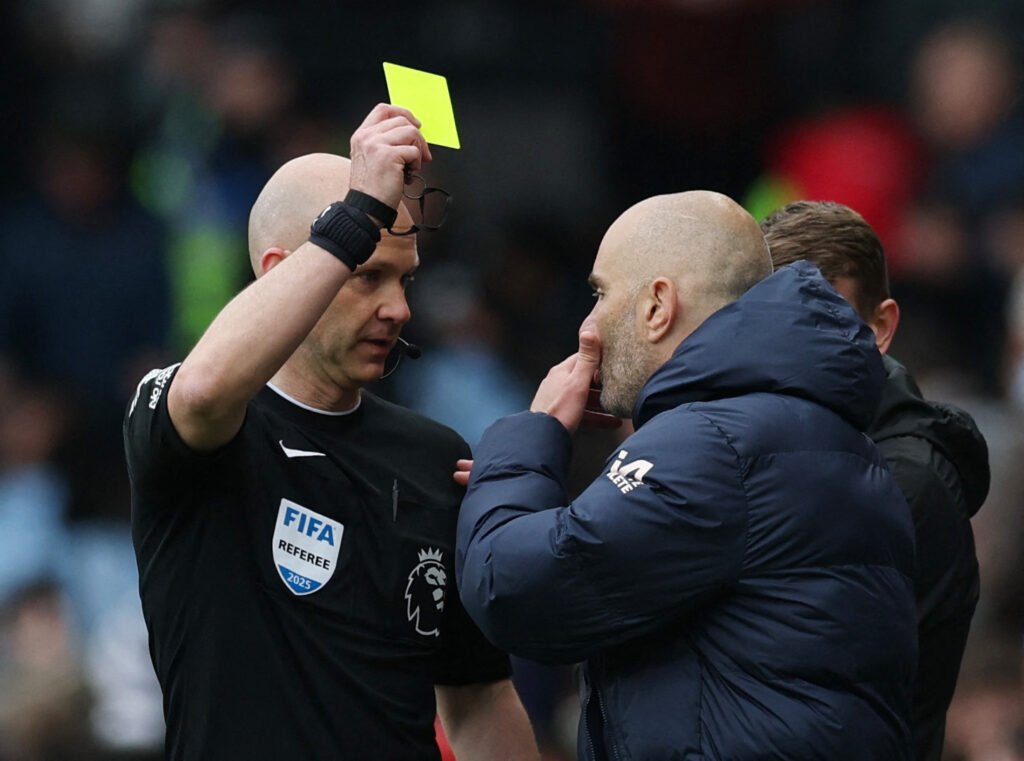
As said by Pat Nevin, ‘what Chelsea need as a manager for their project is a puppet’; they tried to make Mauricio Pochettino one, but he left. They made Enzo Maresca one, but he became wise after showing the world how good he is, and when another opportunity came up, he went away.
Sources close to the club expressed that the management believed they backed him when results were not positive during his first year, and in the transfer window, when they made signings to improve the team.
But the bigger question would be if they really backed him during the summer transfer window?
Levi Colwill picked up an injury which would literally rule him out of the season, and the manager confessed that he would love a reinforcement in that department, but stressed that he is in love with the squad, because the club would not grant him an addition.
Of course, it would not be expected that the manager throw the hierarchy under the bus by giving off details that they would not sign him a central back. He was told to integrate more youth, with an emphasis on Josh Acheampong.
In defence of the management, Chelsea did spend £276 million during the summer window, an amount only surpassed by Liverpool, and whether or not Maresca knew about the budget and demanded the signed players can be speculated, but not known for sure.
Moreover, the club also has to be careful in its spending due to its pending case with the financial fair play regulations. Notwithstanding, something changed at Chelsea, and it happened in the last few days…
55 wins and 16 draws in 92 games across all competitions, in the Premier League, he is the 21st-century Chelsea manager with the third-lowest win rate, averaging 1.72 points, only ahead of Frank Lampard 1.66) and Mauricio Pochettino 1.52, for those with 30+ games.
Like all good things, an end must come, and for Chelsea, this is nothing shocking, because managers have been let off, out of the blue before Enzo Maresca, and surely, it wouldn’t stop with him.
There may be no evidence that City’s approach instigated Enzo Maresca’s Chelsea behavior, especially after Pep Guardiola reaffirms his commitment, but one of these days it’ll surface, except if the Cityzens turn on what looked like a planned coup.

5 Comments
Chelsea is a toxic place for managers! No elite coach can survive there!
This board is all about business and it sickens me, cause the are all about buying and selling now. And I’m watching my club turn to something else over night
Nice analysis
Chelsea’s structure is a stumbling block for most managers. But even Maresca has a major hand in this event. Great piece of information and analysis. Thank you for this.
A very thoughtful analysis. Chelsea’s structure makes it hard for any manager to truly settle, and once Maresca felt unsettled and distracted, there was no way back for either side.