
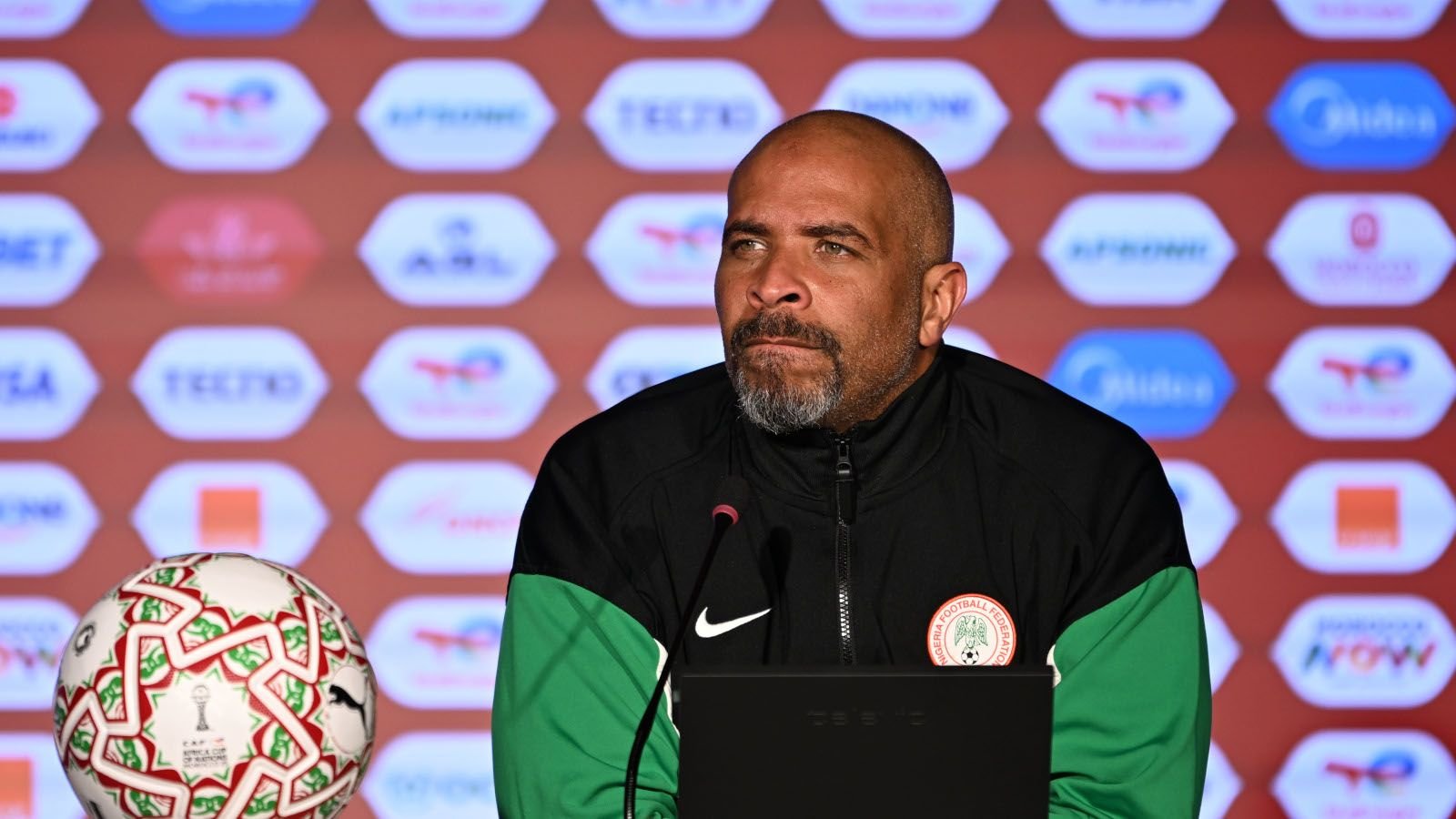
As Eric Chelle presents a rigorous 19-point demand for a contract extension, the NFF faces a critical dilemma between financing an expensive technical overhaul and risking the stability of a Super Eagles side finally showing signs of life.
The corridors of the Glass House in Abuja are no strangers to drama, but the latest script submitted by Eric Sekou Chelle is particularly bold.
The Franco-Malian tactician has presented a 19-point manifesto outlining his continued tenure as Super Eagles head coach, which includes provisions such as an armored SUV, 24-hour power supply, and a monthly salary of $130,000.
For a federation that has historically struggled to pay coaches earning half that amount, the question is no longer just about footballing philosophy, but one of cold, hard mathematics.
Breaking down the Eric Chelle 19-point demand
Eric Chelle’s demands are a mix of elite professionalism and defensive posturing. The call for a $130,000 monthly package (to cover himself and his technical staff) represents a significant leap from his current reported salary of $50,000.
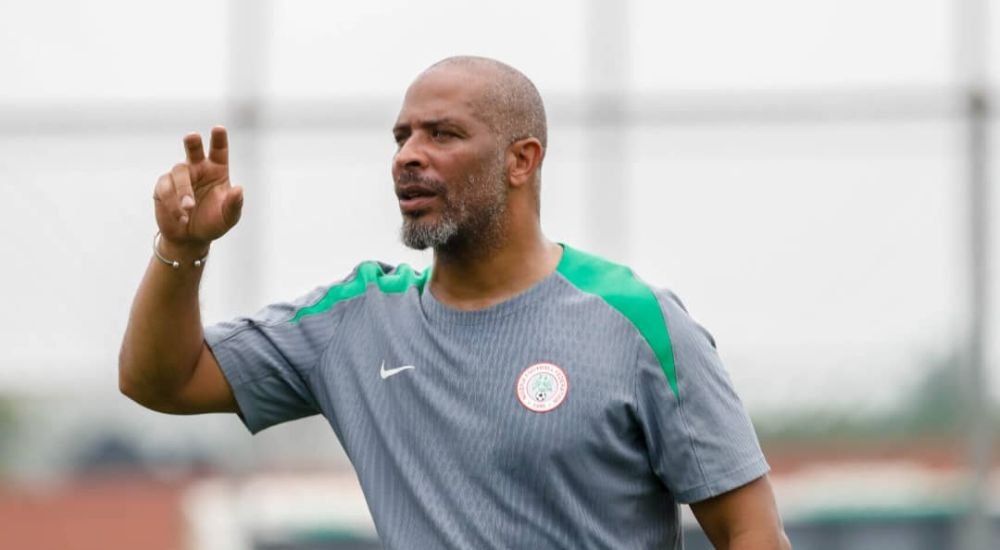
To put this in perspective, Jose Peseiro, who led Nigeria to the 2023 AFCON final, earned approximately $70,000 before a pay cut to $50,000.
Chelle’s request for no interference in team selection, and contracts for backroom staff, strikes a chord with Nigeria’s history of administrative meddling, famously cited by Sunday Oliseh during his 2016 resignation over $26,000 in unpaid wages.
The logistical demands, a furnished office with a projector, GPS equipment, and youth development oversight, suggest Chelle wants to be a manager in the English sense, not just a head coach.
However, the requirement for salary payment on or before the 30th of every month serves as a pointed jab at the NFF’s notorious backlog.
In 2023, the NFF admitted to owing former coach Jose Peseiro several months of wages, a recurring theme that even a ₦17.6 billion 2025 budget hasn’t fully cured.
The historical cost of ambition
Statistically, the NFF’s most expensive era was under the current Gernot Rohr, who at one point earned $55,000 monthly.
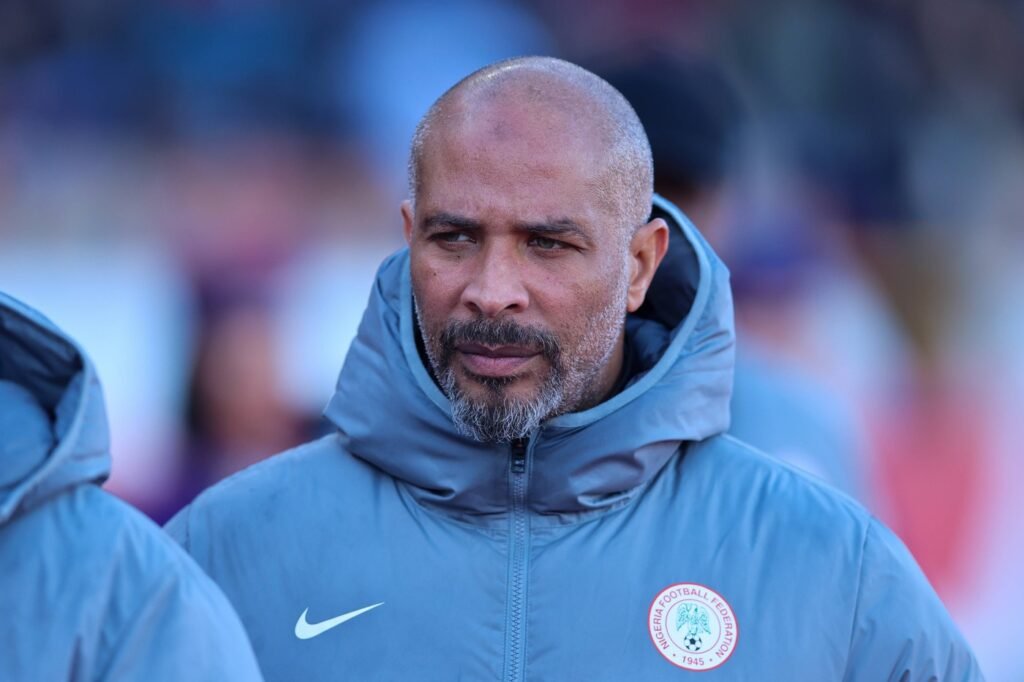
His five-year tenure brought stability but ended in a messy $800,000 compensation settlement mandated by FIFA, and if the NFF should bow to Chelle’s $130,000 demand, they are essentially tripling their technical expenditure.
In a period where Nigeria is theoretically rebuilding after narrowly missing out on the 2026 World Cup (pending a FIFA eligibility ruling against DR Congo), can the NFF justify this Premier League-level expenditure on Chelle?
The dilemma for the NFF
The NFF appears desperate to avoid the revolving door coaching crisis that saw Finidi George’s brief, ill-fated stint back in 2024, which ultimately cost the team a place in the 2026 FIFA World Cup.
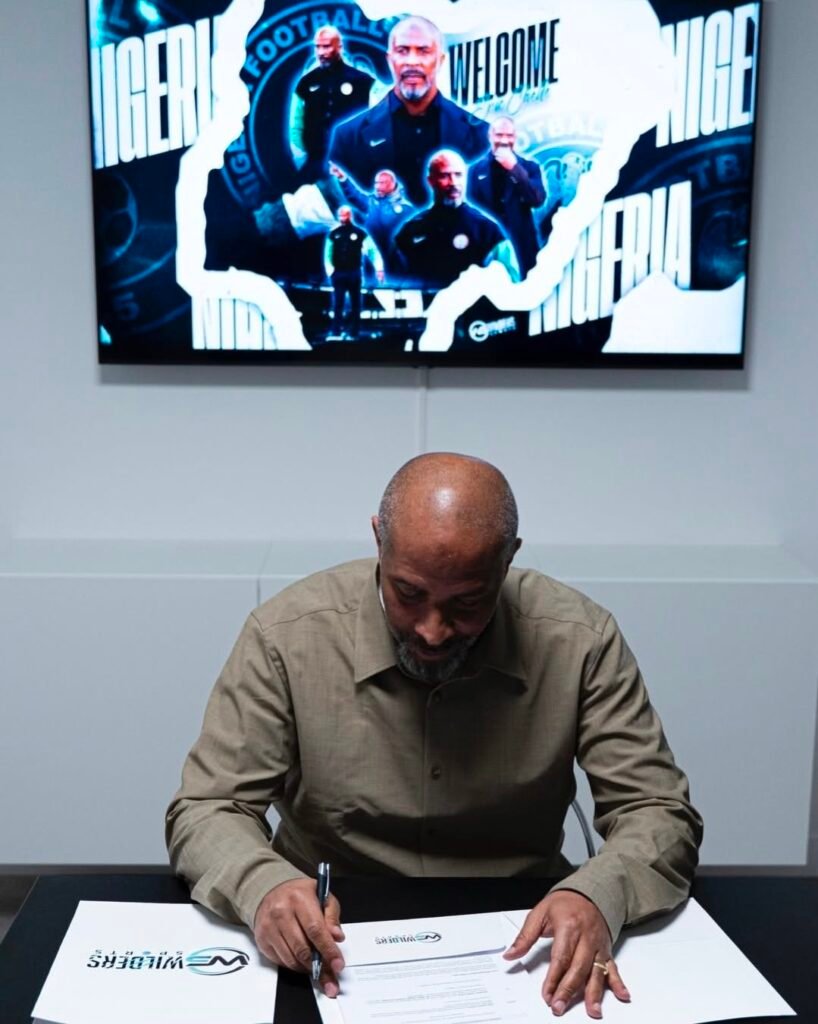
Chelle, who just signed with a new sports agency, has brought a tactical identity that players seem to buy into. Yet, keeping him requires a funding model the NFF currently lacks, or maybe, can not even afford.
Relying on government bailouts, like the ₦12 billion approved by President Tinubu in 2024 to clear arrears, is not a sustainable strategy for a $1.5 million annual coaching bill.
If the NFF cuts ties to save costs, they risk another year zero and the potential of missing more tournaments due to insufficient preparation, but if they stay, they must find private sector partners to foot the bill, or once again face the embarrassment of a coach working for free until a FIFA letter arrives.
Prescription: The art of the compromise
This recent development leaves the NFF at a crossroads.
While Chelle’s recent links to Olympique Marseille (which ultimately hired Habib Beye) suggest his eyes may be elsewhere, his work with the Super Eagles has shown tactical promise. The path forward does not have to be a yes or no, but a disciplined dialogue.
The NFF must remind Eric Chelle to tone down the club demands. A national team is not a 365-day training camp. With no club really ready to take him, his resolve shouldn’t be difficult if the intention of these demands isn’t to force the NFF’s hand and call time on their association.
Some of the logistical costs (like business class for family) could be traded for performance-based bonuses to protect the Federation’s liquidity.
What do they do from here?
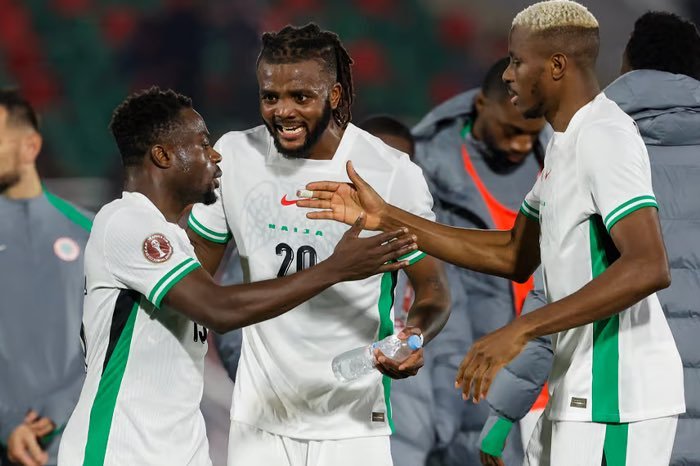
The NFF must decide if they are hiring a coach or buying a system. If they want Chelle’s system, they must be prepared to meet his demands, some of which sound ridiculous.
But if the bank account says no, they must look for an alternative with a shorter list of demands, and hope that the cheaper option doesn’t prove to be the most expensive mistake in Nigerian football history.
Whatever decision they take, they will be held accountable by fans, who have no interest or care about the logistics, but would demand Eric Chelle is retained, as his football has won them over, and given them the cause to cheer for their team again.
It is a difficult situation for the NFF, but tough periods like this is when capabilities are tested, and this is an opportunity for the Federation to prove that they can lead the Super Eagles back to the company of elites in the world.
Kehinde-Hassan Afolabi

2 Comments
Hmmmmmmm, this is a lot ooooo
Thanks for this analysis
That NFF needs to be studied cos if they can’t pay the coach and meet his demands ,how do they get paid and using the federation money for traveling here and there when the main objective of progress is not taken care of.