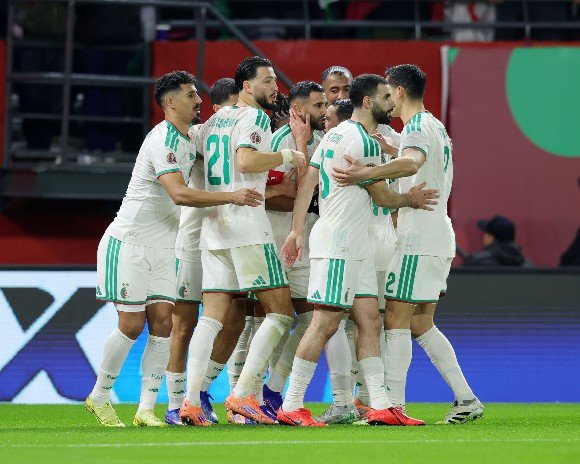
The African continent is currently a whirlwind of emotions, oscillating between the euphoric highs of a historic World Cup qualification and the bitter aftertaste of a continental title in legal limbo.
While the streets of Kinshasa and Casablanca are alive with celebration, the halls of the Court of Arbitration for Sport (CAS) are buzzing with a different kind of intensity.
But DR Congo’s victory over Jamaica to secure a tenth FIFA World Cup berth is a much needed relief from the controversy of the stripped AFCON title that has the continent making headlines for the wrong reasons.
The Power of Ten: A Historic Milestone for Africa
For the first time in history, Africa will be represented by ten nations at the FIFA World Cup. The expansion of the tournament to 48 teams was a door left ajar, and the continent didn’t just walk through it, it burst through.
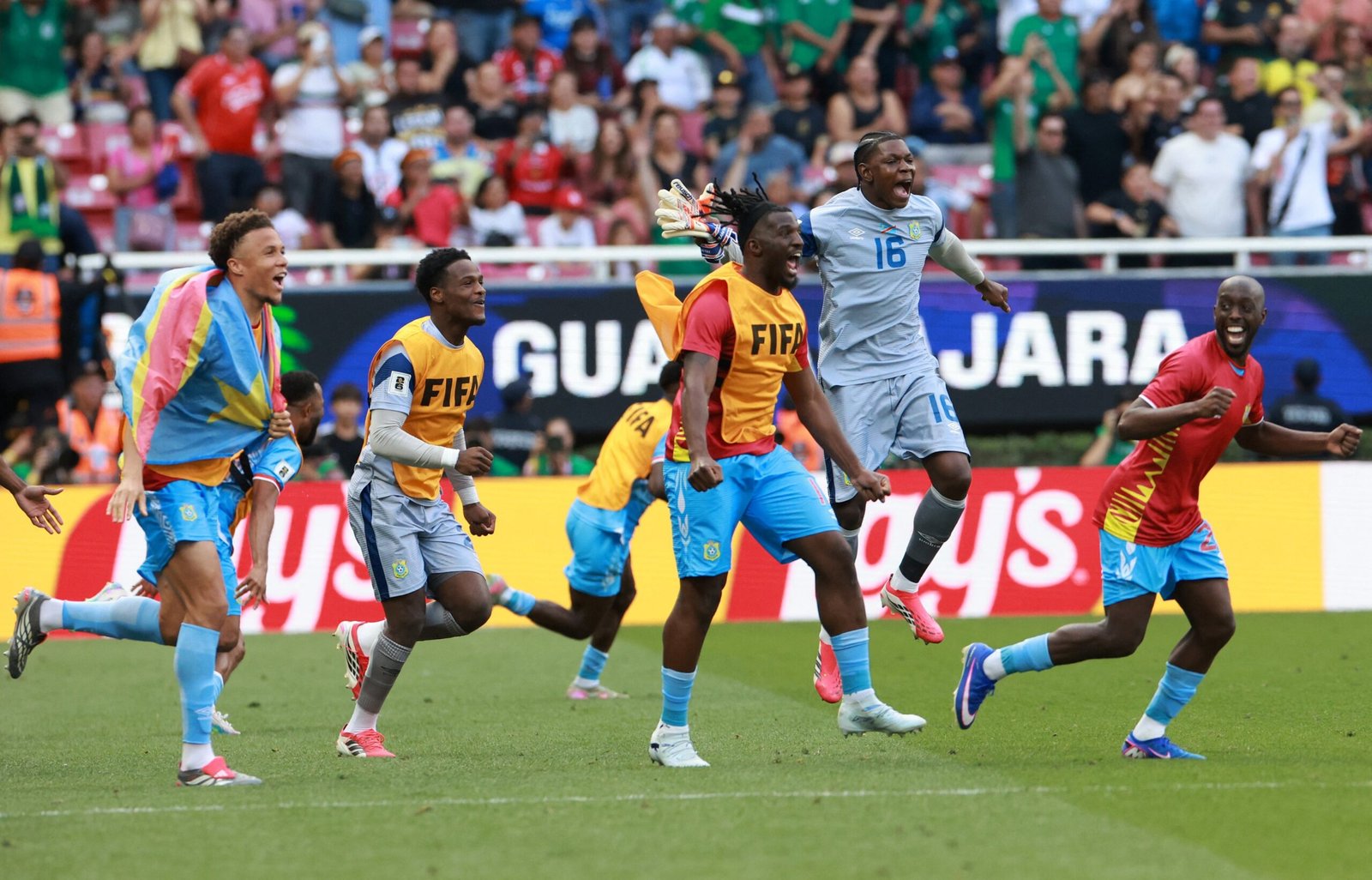
The final piece of this historic puzzle was fitted by the Democratic Republic of Congo in a nail-biting inter-confederation playoff against Jamaica at the Estadio Guadalajara, where Axel Tuanzebe’s 100th-minute extra-time goal secured a 1-0 victory.
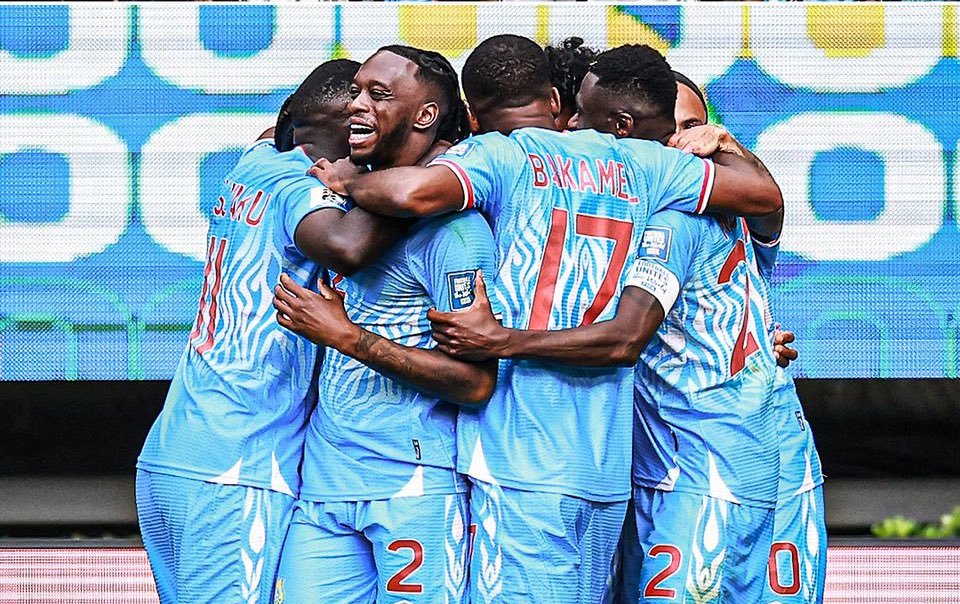
he win ended a 52-year FIFA World Cup wait for the Leopards, marking their first return to the global stage since their debut as Zaire in 1974.
The historic ten nations representing the motherland in 2026 are: Morocco, Senegal, Egypt, Algeria, Ivory Coast, Tunisia, South Africa, Ghana, debutant Cape Verde, and inter-confederation playoff winner, DR Congo.
The Giants That Fell
While ten teams and Africa celebrate this landmark achievement, the absence of traditional powerhouses looms large.In a shocking turn of events, both Nigeria’s Super Eagles and Cameroon’s Indomitable Lions failed to secure their tickets to North America.
Nigeria finished a heartbreaking second in their group behind a resurgent South Africa, while Cameroon’s rebuilding phase underperformed when it mattered most.
For fans in Lagos and Yaoundé, a World Cup without their colors feels fundamentally incomplete, a bitter pill to swallow for the multiple-time African champions with stellar footballing achievements.
The AFCON 2025 Shadow
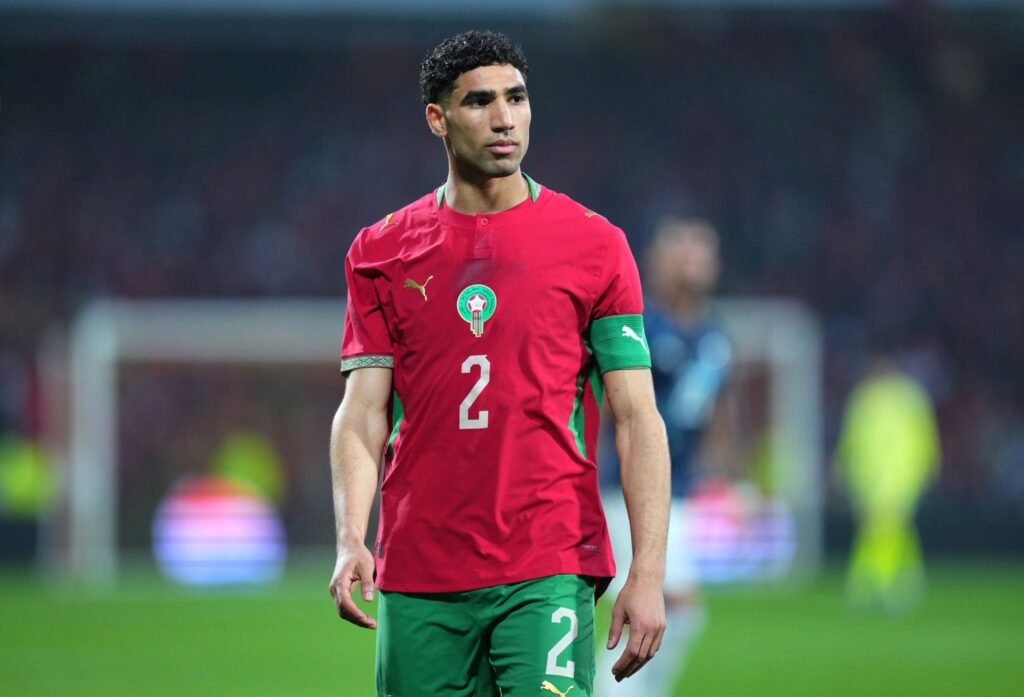
The World Cup joy, however, is being tested by the ongoing controversy surrounding the 2025 Africa Cup of Nations (AFCON) trophy. In a move that stunned the football world, CAF officially stripped Senegal of their on-field victory and awarded the title to the hosts and losing finalist Morocco.
The ruling cited misconduct after Senegal players briefly left the pitch following a disputed VAR decision in the final. CAF recorded the result as a 3-0 forfeit in favor of Morocco, handing them their second-ever star.
Senegal has not taken this lying down, officially filing an appeal with CAS to restore their status as champions. As it stands, the record books show Morocco as the 2025 kings of Africa, but many players and fans are waiting for the final legal whistle.
Looking Ahead to 2026
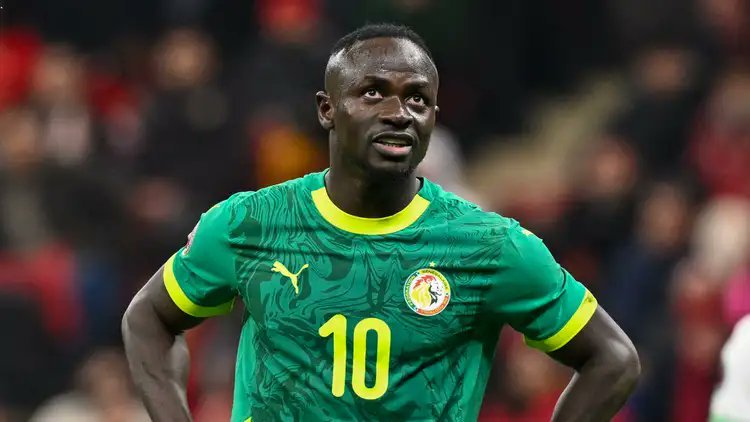
Despite the boardroom drama, the focus now shifts to the preparation for June 11th. With ten teams in the mix, Africa has its best chance ever to surpass Morocco’s historic 2022 semi-final run.
In the likes of Senegal, Egypt, Ivory Coast, Algeria, and Morocco again, the continent is bringing its full variety to the world stage, and will hope to go one better than their best performer in the last edition in Qatar.
As captain Chancel Mbemba wisely cautioned after the playoffs final win over Jamaica, “We’ll stay humble, keep our feet on the ground, and continue to work.” Africa is ready to make a deafening noise in 2026, even if the echoes of 2025 are still being argued in court.
What 10 World Cup slots mean for African football
The 10 World Cup slots marks a shift in the football hierarchy, finally granting Africa the representation its talent deserves. This expansion signifies a monumental leap from the continent’s early days; in 1954, when it held a solitary, shared spot while Europe dominated with 12.
Even by 1974, Africa possessed only one automatic slot compared to Europe’s nine.
Today, with 10 confirmed places, Africa has significantly closed the gap on Europe’s 16-slot stronghold. This isn’t just about numbers, it’s about geopolitical respect.
By nearly doubling its presence, the continent has dismantled the gatekeeper era where giants like Egypt or Cameroon frequently missed out despite their quality.
This historic milestone positions CAF as a powerhouse capable of challenging the UEFA-CONMEBOL duopoly, while it also ensures that African variety, from the streets of West Africa to the mountains in the North, will finally define the world stage.
Kehinde-Hassan Afolabi