
Is the Online Grievance Culture a Good Omen for Football?
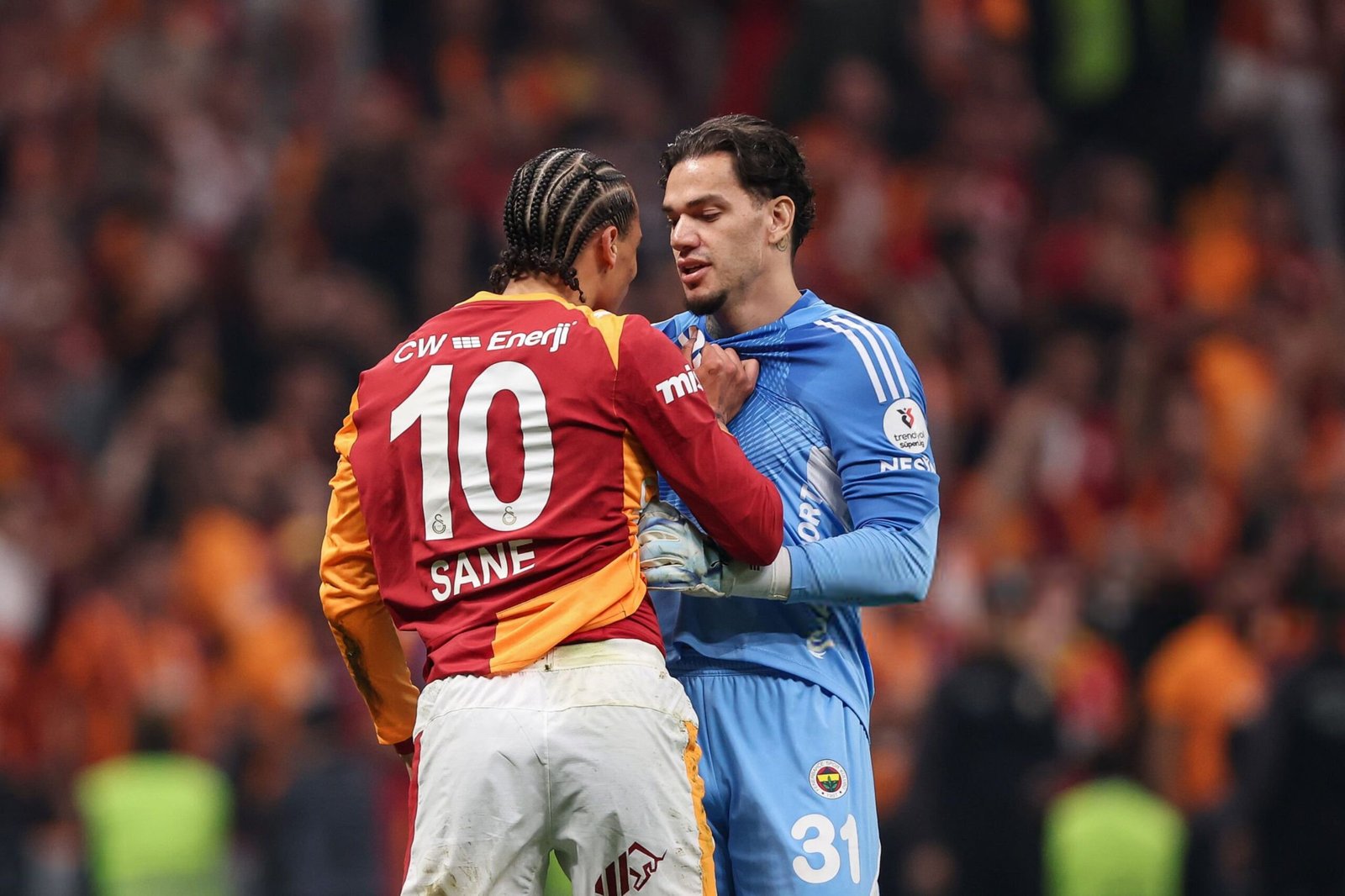
At halftime of the intercontinental derby between Galatasaray and Fenerbahçe, the administrator of the home team’s X (formerly Twitter) handle posted a sharp critique: “despite two penalties not awarded to us, we closed the first-half 1-0 ahead.”
While such a statement might have once been reserved for a heated post-match press conference or a private letter to the federation, a culture of instant broadcast to millions has been cultivated.
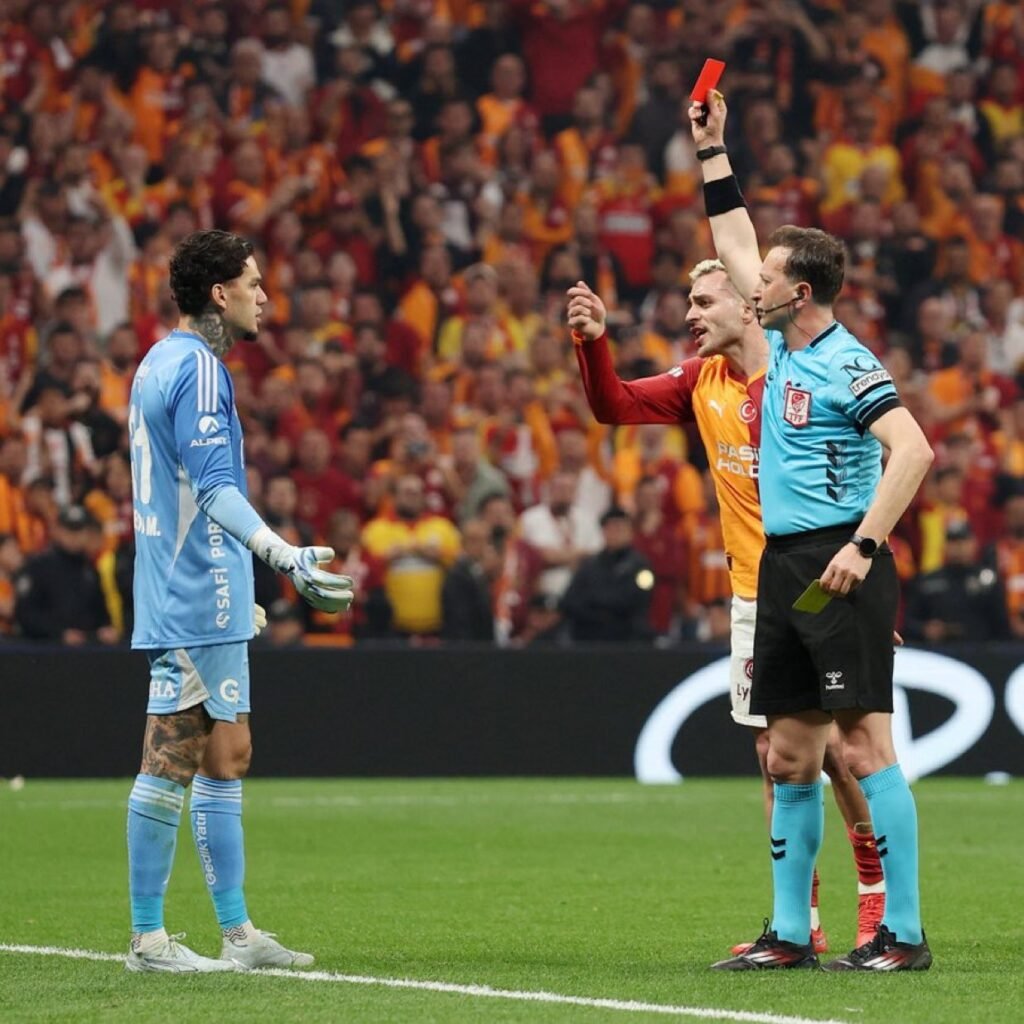
And with Fenerbache goalkeeper Ederson sent off after been booked twice for dissent few minutes after the game restarted, while Galatasaray were also awarded a penalty for a different foul, it raises a suspicion if the infamous tweet influenced these decisions.
Even though these decisions are right, one can not help but raise eyebrows given the circumstances, especially as it was obvious some of Galatasaray players, like Victor Osimhen, clearly deserved to be sent off in the game for repeated textbook calls, but only got booked once.
Nevertheless, the trend of official handles tweeting grievances is no longer an anomaly in the modern game, but as we witness the normalization of club-led online campaigns against officiating, it begs the question if this journey is leading football toward transparency or toward chaos?
Social media has undeniably revolutionized the sport, especially when it comes to connecting clubs to their fanbase but as we are already getting to know, there is no boon without bane.
It has equipped clubs with a digital megaphone that is frequently used to amplify controversy. When a club with million followers questions the integrity of a referee, they aren’t just expressing a grievance; they are pointing a finger at a target.
This shift from formal complaints to public call-outs has fundamentally altered the landscape of the beautiful game by getting the match officials into unwanted limelight, but this move also undermine the competitions concerned.
The Galatasaray incident is part of a burgeoning trend where European clubs leverage their official platforms to exert pressure. To understand the gravity of this, here are some of the specific instances that have set these precedents.
For decades, the protocol for disputing officiating was clear, if somewhat bureaucratic. Clubs submitted private reports to refereeing bodies or, at most, a manager would risk a fine by speaking out in a post-match press conference.
Online Grievances: The Rise of the Administrative Ultras in Europe
Today, the social media handles of clubs have become an Administrative Ultra, where clubs unofficially pass official grievances while leaving the public to do their bidding.
English Premier League
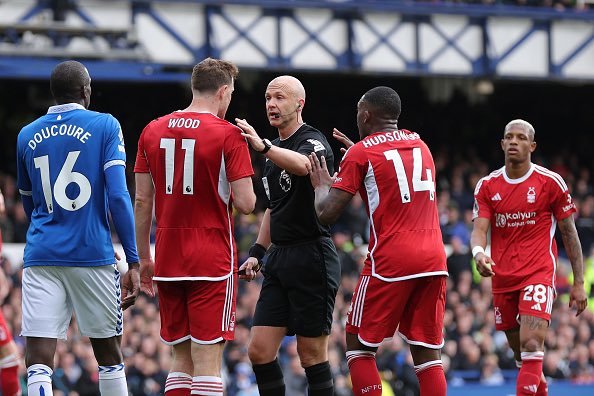
This is still uncommon in the English Premier League, yet perhaps the most jarring example of this official-unofficial critique occurred in April 2024, when Nottingham Forest tweeted their grievance during a race to secure European football.
After a series of denied penalty claims against Everton, the club released a scathing statement on X immediately following the final whistle.
They didn’t just disagree with the calls but also questioned the impartiality of the VAR official, Stuart Attwell, claiming they had warned the PGMOL that Attwell was a fan of relegation rivals Luton Town, and wouldn’t want to see them succeed.
This move was a watershed moment. It moved the conversation from the referee made a mistake to the system is rigged. By bypassing the traditional, dignified channels of communication, Forest engaged their fanbase in a crusade, turning the match official into a public enemy before he had even left the City Ground.
Spanish La Liga
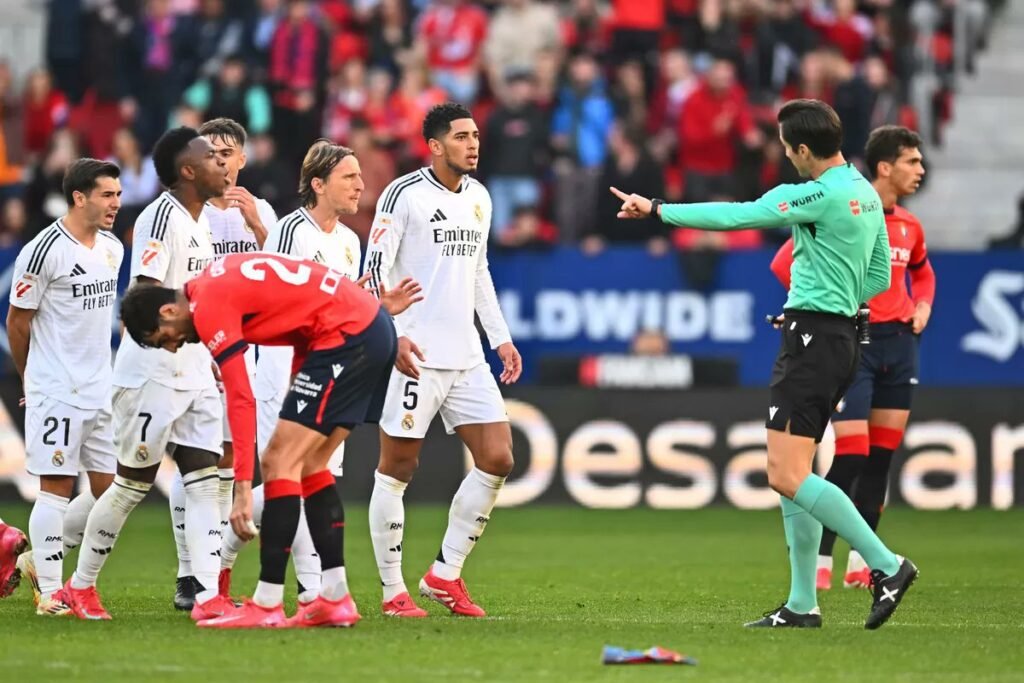
In Spain, the pressure has taken a more systemic form and Real Madrid, through its official media arm Real Madrid TV, has frequently broadcasted scouting reports on upcoming referees, with videos highlighting past errors made by the assigned official against the club.
While technically an official media outlet, the content is curated to foster a narrative of victimhood. La Liga rivals, including Atlético Madrid and Barcelona, have countered with their own digital jabs, creating a toxic feedback loop where every whistle is scrutinized through the lens of institutional bias.
Liga Portugal
In Liga Portugal, the rivalry between Benfica, FC Porto, and Sporting CP often transcends the pitch. Club directors and official handles frequently use social media to post screenshots of VAR lines or contentious tackles, often accompanied by sarcastic captions.
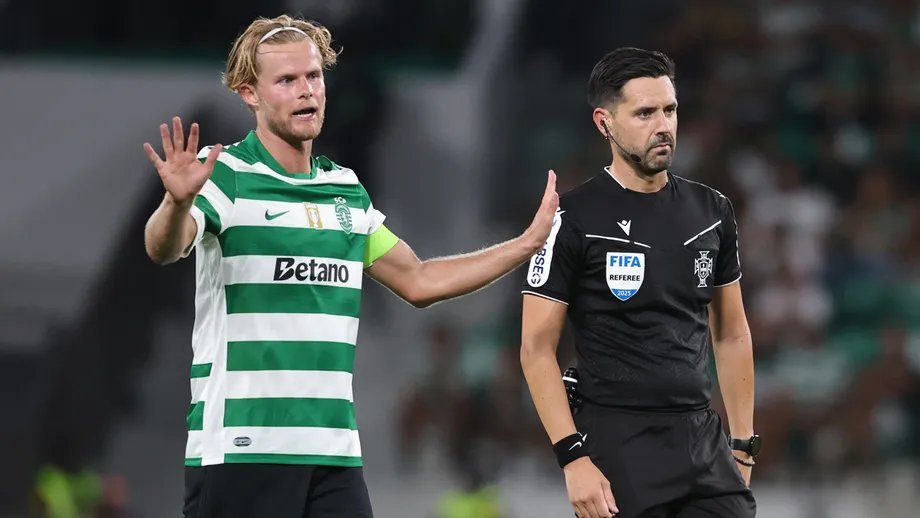
Sporting CP are currently having a campaign against the officiating for decisions that haven’t gone their way in recent games against Benfica and Porto, which they believe have impacted the title race this season.
These posts serve as a call to arms for their supporters, ensuring that the pressure on the officiating body remains at a fever pitch throughout the season.
Creation of a Hostile System
While clubs may feel they are simply defending their interests, the ripple effects of these online campaigns are profoundly damaging to the reputation of the sport.One of the most immediate consequence since this became a thing in football is the dehumanization of officials.
When a club handle posts a grievance, it acts as a signal for thousands of ultras to find the official’s social media accounts, leading to death threats, doxxing, and harassment that extends to the officials’ families.
Why would any young person want to become a referee if the reward for a subjective error is a global smear campaign? Football is currently facing a grassroots officiating crisis worldwide, and the behavior of top-tier clubs is a primary contributor.
A Quest for Accountability on the Club’s part?
To provide a balanced view, one must acknowledge why clubs have felt forced into this digital corner, because in many instances, the good side of this trend is the demand for accountability.
Football is a multi-billion dollar industry where a single intentional wrong call, or a gross negligence of VAR, can cost a club a league title, Champions League qualification, or even survival in the top flight, rendering futile efforts put in all season long.
When these happen as a result of a decision that defies the laws of the game, clubs feel they have a moral obligation to their stakeholders and fans to speak out.In the past, poor officiating was often swept under the rug by governing bodies who protected their own.
Today’s online transparency ensures that shameful performances cannot be ignored.When a team points out a legitimate error, it forces the refereeing boards to issue apologies and, in some cases, implement better training or technology.
For some, the online grievance is the only way to ensure that the powers that be remain awake and alert. But maybe, even clubs now have ulterior motives.
A Dangerous Omen for Football
Despite the occasional need for public accountability, the current trend of clubs using official handles to incite fanbases is a bad omen for football, as it trades long-term integrity for short-term emotional satisfaction.
When a club admin tweets about not awarded penalties mid-match, they are not looking for a constructive dialogue on the rules of the game; they are inciting a mob.
For football to survive as a respected sporting contest, the critique of officials must return to the boardrooms and the post-match reports, while the referee stakeholders must also ensure fairness, because how do you explain that a referee, his two assistants, and the VAR team, all missed a call that was later clarified as a wrong call?
If the sport continues down this path, it risks entering an era where the loudest digital voice, rather than the best footballing performance, dictates the narrative of the game.
Clubs must also learn to let journalism remain the bridge that asks the tough questions, even if they have to secretly inciting them to do so, they (clubs) must remember that they are the custodians of the sport’s dignity.
If we continue down this path, we may find that in our quest to win the battle for transparency, we lost the war for the integrity of the beautiful game, and when that is gone, what is then is the use of transparency?
Kehinde-Hassan Afolabi
