
The Premier League has confirmed a fresh set of law changes and football principles for the 2026/27 season, targeting injury stoppages, restarts, box wrestling, and VAR’s handling of red cards.
Football fans have complained for years about players rolling around clutching their shins, throw-ins that take an eternity, and matches that feel like they’re being strangled slowly by the clock. The Premier League has finally decided enough is enough.
A new package of rule changes lands this season, and it touches almost every corner of how the game is managed, from injuries to goalkeeper theatrics to how VAR handles red cards.
A minute timeout for injured players
The headline change concerns injured players. Under the old rule, a player receiving treatment on the pitch had to stay off for 30 seconds. That number has now been doubled.
Premier League officials confirmed that players who receive on-field injury treatment or assessment will be required to leave for at least one minute, an increase from the 30 seconds previously used by the league.
It sounds small on paper, but multiply it across a season, and it becomes a real tactical advantage taken away from managers who liked to use injuries to break up opposition momentum or slow down a game they were losing.
Throw-ins and goal kicks get a countdown
Delay tactics at restarts have also been targeted directly. There is now a five-second countdown for throw-ins and goal kicks, with real consequences attached if a team stalls beyond it.

Officials will award the throw-in to the opposing side if the taking team runs down the clock, while a slow goal kick will hand the opposition a corner instead.
This single change could be the one supporters notice fastest, since defenders and goalkeepers famously love to waste seconds at exactly these moments.
Substitutions join the crackdown too
Substitutions haven’t escaped scrutiny either. Players being replaced now have just 10 seconds to leave the pitch once the board goes up.
Once that window is missed, the incoming substitute will not be allowed onto the field until the next natural stoppage after a full minute has passed, leaving the team a man light in the meantime.
For managers chasing a result late in a game, that’s a punishing penalty for the long, dramatic walk to the touchline that has become an art form for some players.
Wrestling in the box: The set-piece crackdown
Away from the stopwatch, the league has also turned its attention to what happens at corners and free-kicks. Grappling and shirt-pulling in the penalty area became one of last season’s biggest talking points, with some sides using increased physicality to their advantage at set-pieces.
The new guidance stresses that ‘not every contact is a foul,’ keeping the threshold for intervention high, but deliberate wrestling and obstruction will now draw closer scrutiny from officials.
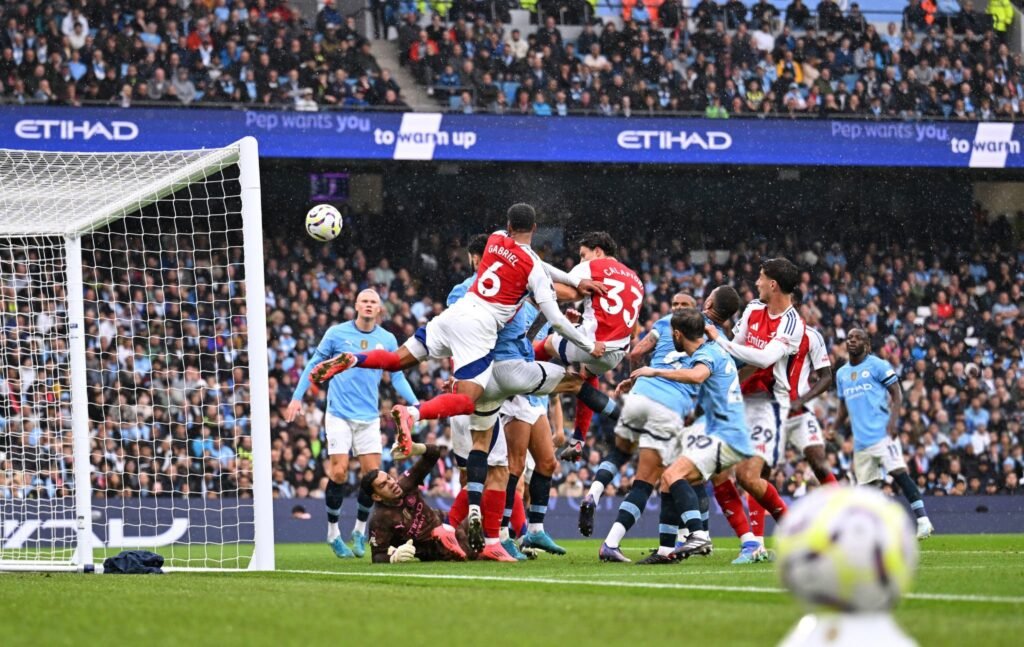
Expect referees to be less forgiving of the shirt-tugging wars that have quietly defined corner routines across the division, giving attacking players more protection than in the past.
A twist in goalkeeper treatment
One of the more unusual additions concerns goalkeepers. If a keeper goes down for treatment and stops play, an outfield teammate must also temporarily leave the pitch.
It’s a clever disincentive against the old trick of a goalkeeper feigning injury purely to give his exhausted teammates a breather, since now the team loses an extra body on the pitch rather than simply pausing the clock in their favour.
The VAR gets new powers
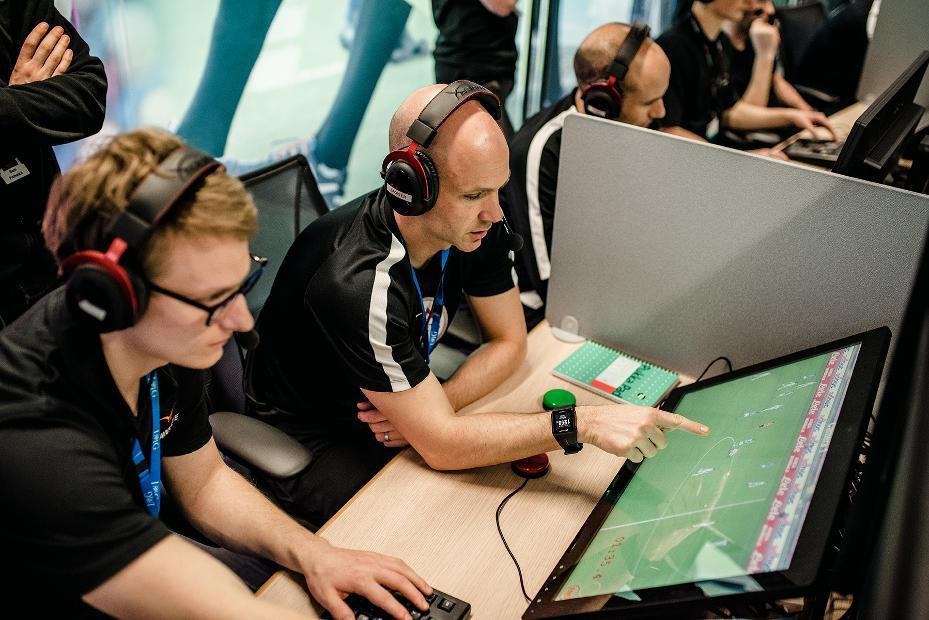
Perhaps the most talked-about change involves VAR and red cards. Video officials can now intervene when a second yellow card is shown incorrectly, overturning wrongful dismissals that might previously have ruined a match for ten men chasing a result.
This has long been a sore point for fans who watched marginal second bookings wreck contests without any safety net.
However, VAR’s powers here are deliberately limited. The technology cannot directly award a second yellow card itself; it can only review and correct one that the referee has already shown.
In other words, VAR is a safety net against wrongful red cards, not an extra pair of eyes hunting for missed ones. The Premier League and PGMOL, in confirming the change, made clear this sits within a broader VAR Improvement Plan aimed at faster, more transparent officiating rather than expanding VAR’s reach into new territory.
What this means for the season ahead
Taken together, these changes send one clear message that time-wasting in any disguise will no longer be tolerated in English football’s top flight.
Whether it’s a player feigning injury, a goalkeeper stalling over a goal kick, or defenders manhandling attackers at a corner, referees now have sharper tools and stiffer penalties to shut it down.
Whether players and managers adapt quietly or find fresh ways to bend the new rules is the real story of the season to come. Fans, for their part, may finally get what they’ve long asked for: matches with fewer stoppages, less theatre, and more actual football.

2 Comments
Good read…!!!
Its looks good on paper; hope it’s implemented, and there is consistency.