
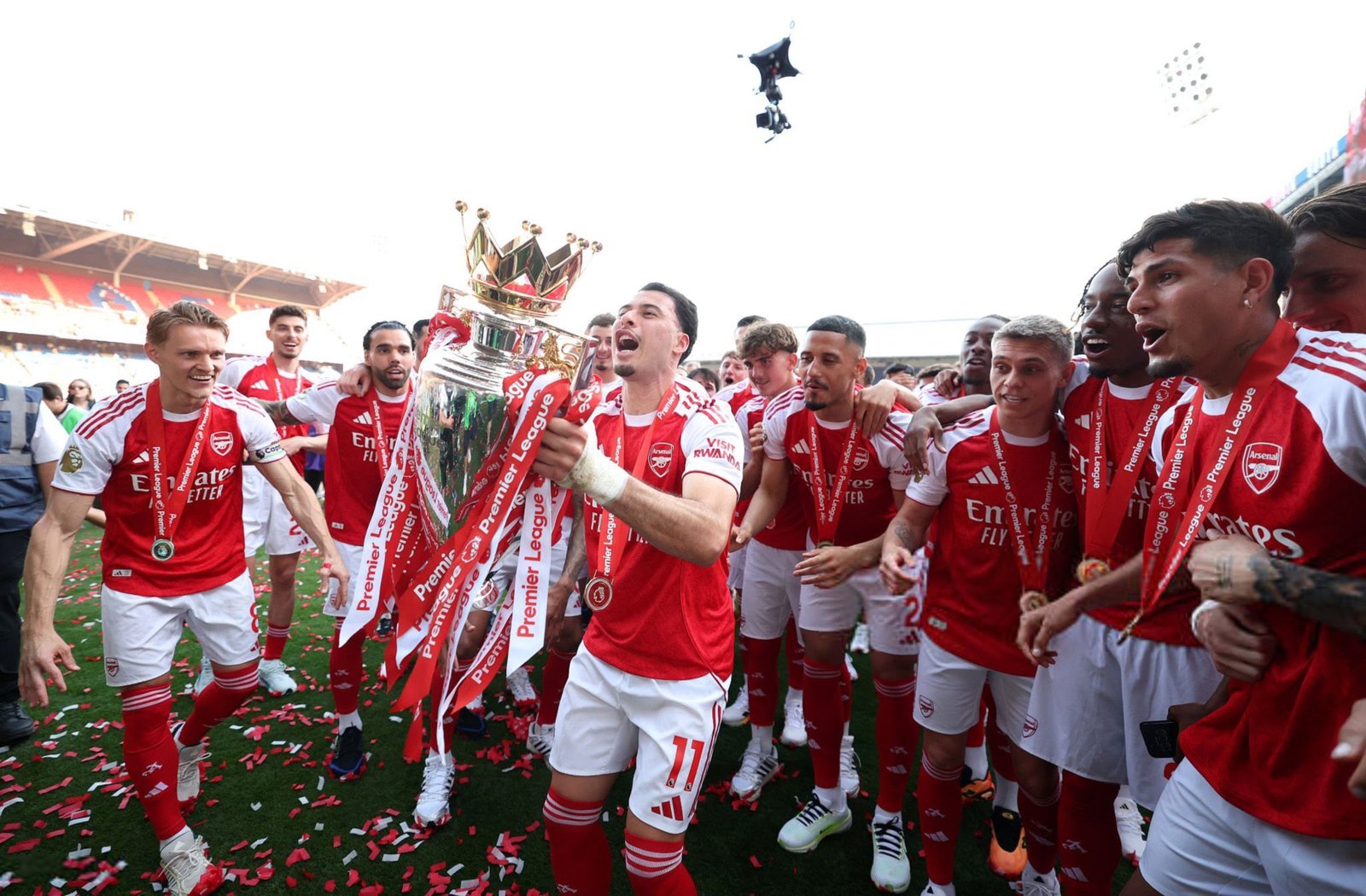
There was a time when leaving Gabriel Martinelli out of Arsenal’s XI felt unthinkable. Now, as he edges toward Riyadh to complete a switch to Al Hilal, the only surprise is how long it took Mikel Arteta to make the call permanent.
Martinelli’s exit will earn Arsenal more than double their previous record sale, but the numbers behind his final season in north London tell their own uncomfortable story, and it is one supporters clinging to the old, irreplaceable Martinelli should reckon with.
This is not simply a transfer saga. It is the story of a teenager who arrived from Brazil’s third tier and helped drag Arsenal from mid-table also-rans back into title contenders, only to be undone by his own decline and the emergence of a player many wrote off as a squad rotation option.
From 3rd division Ituano to the Premier League
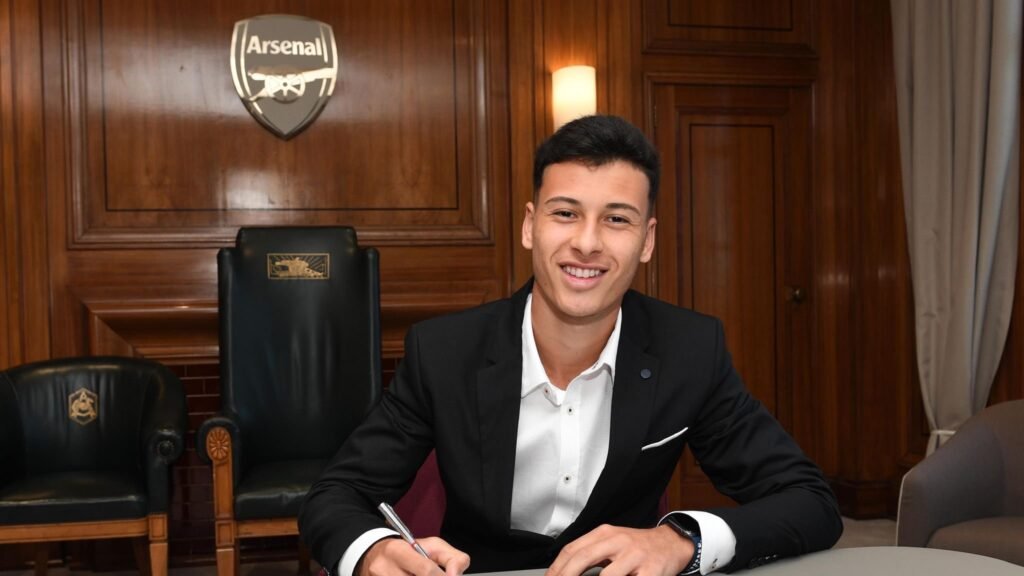
Gabriel Martinelli arrived in a £6 million deal from Ituano in 2019 as a relatively unknown Brazilian teenager, but he needed very little time to convince Arsenal supporters that there was something special about him.
He scored 10 goals in his first season, including a memorable strike against Chelsea, and quickly became one of the brightest young forwards in the Premier League.
His energy, direct running and willingness to attack defenders made him an instant favourite, while his goals offered hope during a period when Arsenal were still trying to recover their identity and climb out of the instability that had followed Arsène Wenger’s departure.
His development coincided with the club’s wider transformation under Mikel Arteta. Arsenal were no longer satisfied with simply competing for European places; Martinelli, Emile Smith Rowe, Bukayo Saka and other young players became central figures in a project designed to return the club to the summit.
The Brazilian contributed to that progression, growing from an exciting prospect into a regular starter as Arsenal evolved from a mid-table side into genuine Premier League title contenders and eventually champions.
His best season came at the perfect time
The clearest evidence of Gabriel Martinelli’s importance in Arsenal’s transition came during the 2022/23 campaign. He scored 15 Premier League goals, equalling the record for the most goals scored by a Brazilian in a single Premier League season at the time.
He finished that campaign alongside Martin Ødegaard as one of two Arsenal players to reach 15 league goals, underlining his importance to a side that pushed Manchester City deep into the title race.
His 15-goal achievement was part of a three-way Brazilian record in a single Premier League season, alongside Roberto Firmino at Liverpool and Matheus Cunha at Wolves before Igor Thiago eventually surpassed it in 2025/26 with Brentford.
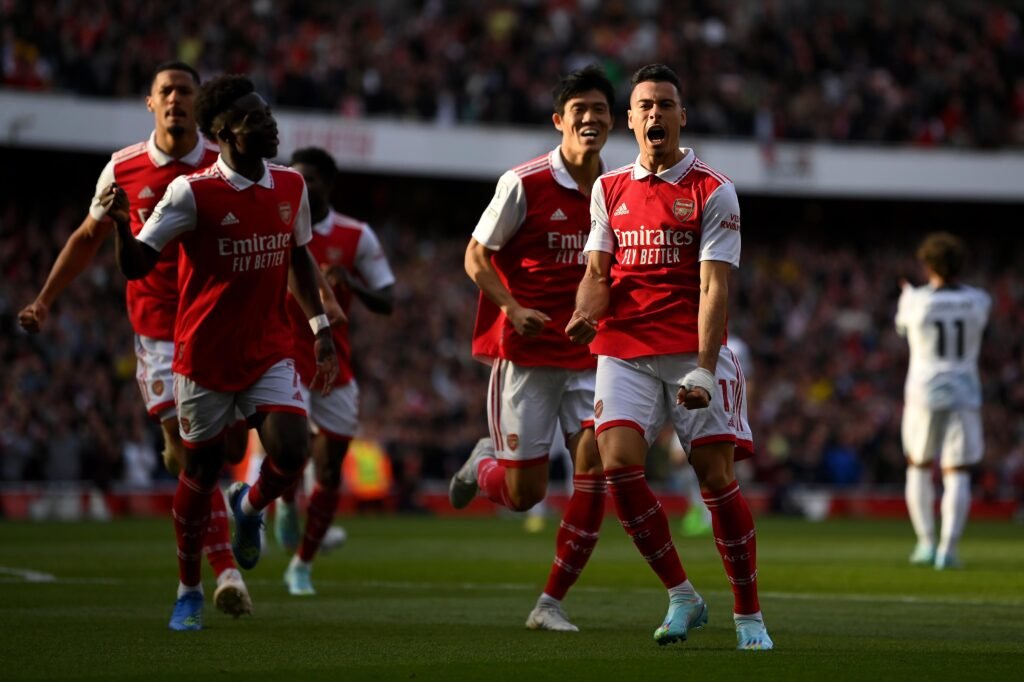
Martinelli’s Arsenal career was not simply about one productive season. He continued to provide goals and assists, while his pace gave Arsenal a different dimension on the left.
His influence was particularly visible during the club’s progression from uncertainty to consistency, and there was a period when it was difficult to imagine the team without him.
Where it went wrong for Gabriel Martinelli
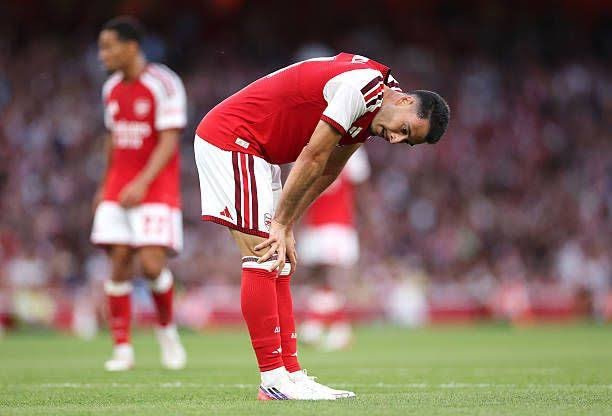
The last two seasons have exposed the cracks. Arsenal won just two of the 11 league matches in which Martinelli started and was on the pitch, a run that coincided with his sharpest decline in end product.
He managed a single Premier League goal in 1,073 minutes of league football, a barren return for a player once mentioned in the same breath as Roberto Firmino’s Brazilian scoring record.
The missed chances compounded the problem. Glaring opportunities went unconverted against Nottingham Forest and Brentford, moments that, in a title race decided by fine margins, mattered far more than they might have in a comfortable mid-table campaign.
Leandro Trossard, 31 and initially viewed by many as a squad player rather than a starter, took his spot and never gave it back. Arsenal’s title-winning form under Arteta this season has come with Trossard, not Martinelli, occupying the left-wing berth Martinelli once made his own.
That is the uncomfortable truth for those still insisting the former Ituano teenager was hard done by.
Football does not owe reputations a starting place. Arteta had communicated directly with Martinelli over his role before the season began, and the numbers back the decision rather than undermine it.
A player who cannot convert clear-cut chances and whose team wins barely a fifth of the games he starts is not being unfairly axed; he is being correctly assessed.
A record departure closes the chapter
Gabriel Martinelli’s impending move to Al Hilal is therefore both an emotional farewell and a significant piece of Arsenal business. The reported €65 million package would establish a new club record sale, comfortably surpassing the previous benchmark set by Alex Oxlade-Chamberlain’s move to Liverpool.
Current reports put the agreement at around £50 million plus potential add-ons, which would still make it Arsenal’s biggest outgoing transfer.
There is also a financial benefit for Ituano, with the Brazilian club reportedly entitled to a 20 per cent share of the profit from Martinelli’s future sale. Arsenal, meanwhile, are already exploring the attacking market for further reinforcements as Arteta reshapes a squad now expected to defend its Premier League crown.
Christos Tzolis arrived earlier in the summer and has made quite the impression in pre-season and the early weeks of the season, while the Gunners and made genuine efforts to sign Vinicius Junior from Real Madrid earlier, highlighting how ambitious they have become.
A modern day cult hero
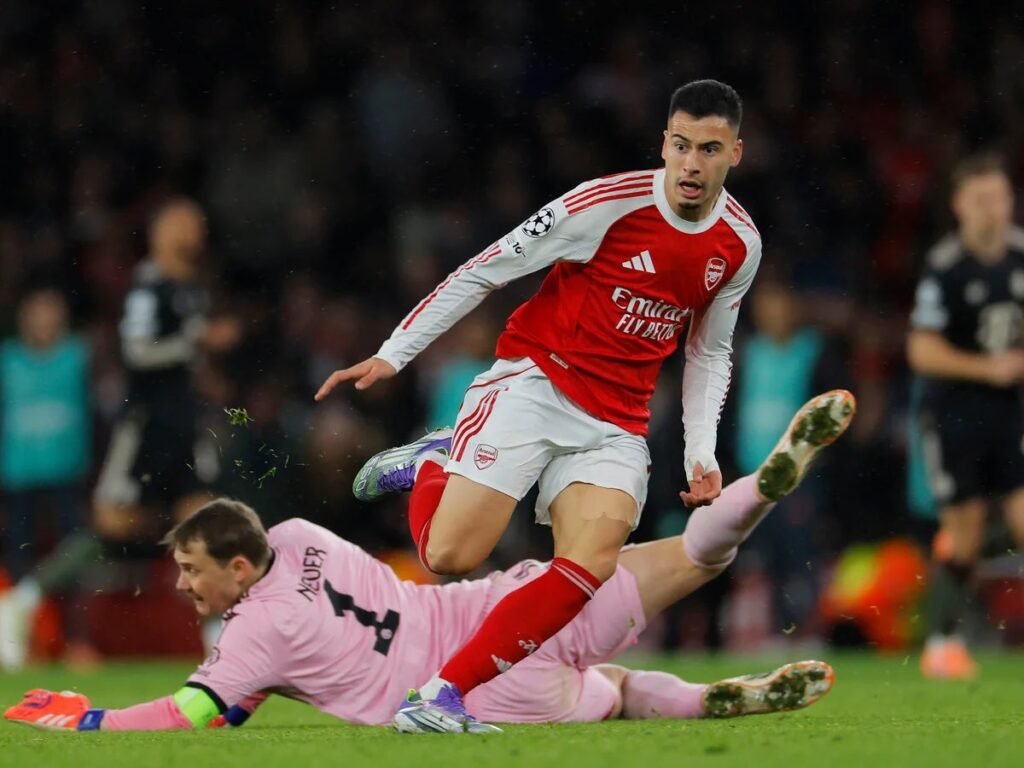
Gabriel Martinelli leaves with 62 goals and 36 assists in 278 appearances for Arsenal, figures that underline the scale of his contribution.
He departs neither as a failure nor as the irreplaceable superstar some supporters once imagined. Instead, his Arsenal story is more complicated and perhaps more reflective of modern elite football: a teenage signing who grew with the club, helped turn potential into genuine success, reached extraordinary heights, then found himself overtaken by a changing team.
That is why his exit should not be viewed simply as Arsenal giving up on Martinelli. It is the latest sign that the old Arsenal, the club that could afford to cling to memories and potential, has disappeared. The new Arsenal makes ruthless decisions because winning demands them.
Kehinde-Hassan Afolabi

1 Comment
Honestly, it’s a numbers game