
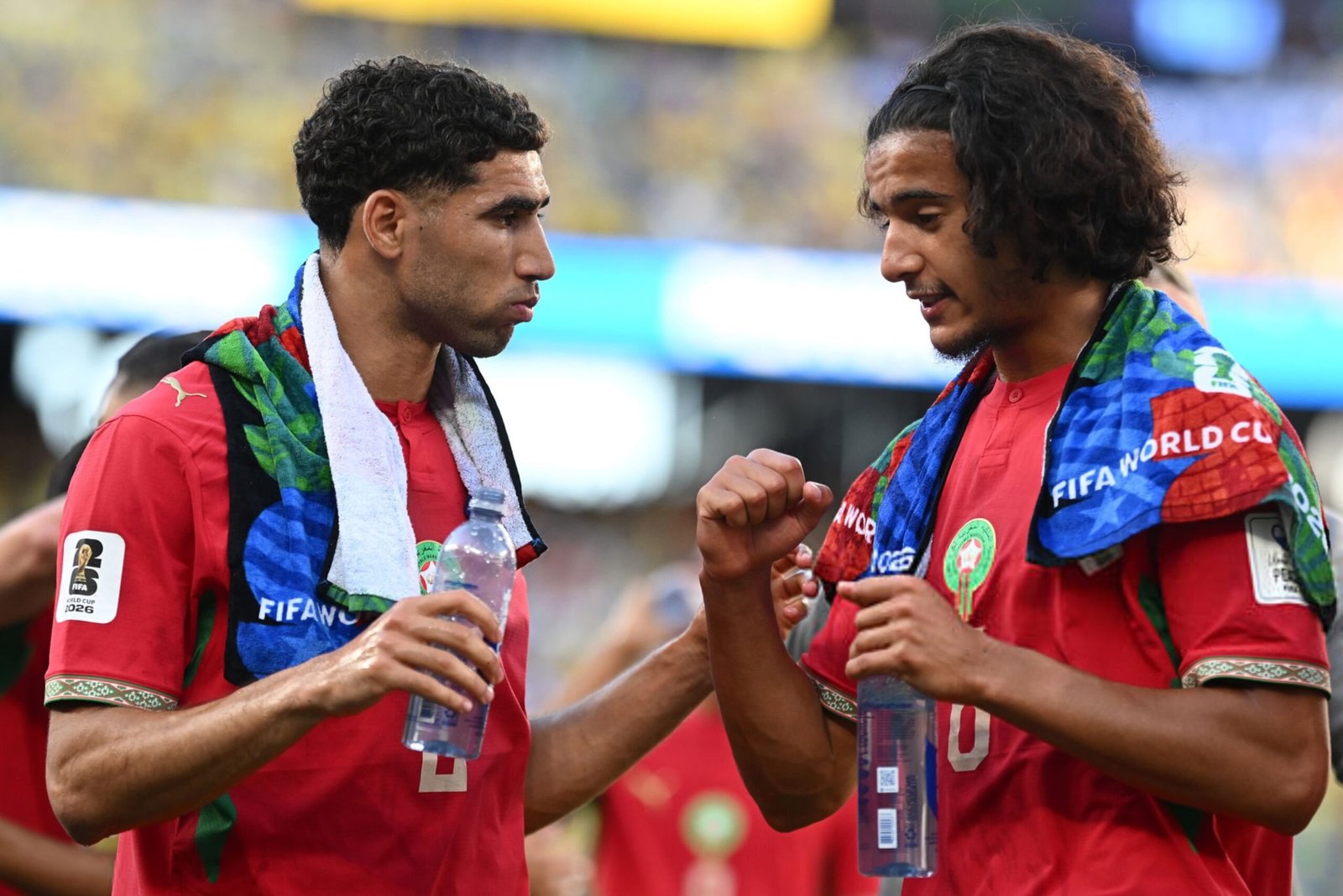
African Best XI at the 2026 FIFA World Cup — North America has just witnessed something Africa will be talking about for a generation. From nine out of 10 representatives making it past the group stages to a 40-year-old goalkeeper turned global sensation, it was at a point all about the CAF teams.
For years, the conversation around African football at major tournaments followed a familiar script: flashes of brilliance, moments of promise, and an early exit before the talent could truly take hold.
This summer flipped that script entirely. Morocco pushed deep into the latter stages once again, Cape Verde authored one of the most improbable underdog stories the World Cup has ever seen, and Senegal produced a match-winner capable of standing toe-to-toe with the tournament’s biggest names.
The continent didn’t just participate in this World Cup — it shaped it. At least for some period before disaster struck.What made this edition different wasn’t just the results, but the manner of them. Clean sheets, goals, and a long list of milestones, South Africa, Ivory Coast, Egypt, DR Congo, and debutant Cape Verde, all progressed from the group stages for the first time ever.
Picking that team means making some difficult choices. Morocco alone could have filled half the XI several times over, forcing world-class performers into positions they don’t naturally occupy just to accommodate the sheer volume of quality on show.
Elsewhere, single moments of magic had to be weighed against months of sustained brilliance, and one tournament’s worth of history-making had to be balanced against another’s quiet, unbroken consistency.
What follows is the best XI that emerged from those weeks of football, a team built entirely on what actually happened on the pitch, position by position, stat by stat, story by story.
African Best XI at the 2026 FIFA World Cup
Goalkeeper: Vozinha (Cape Verde)
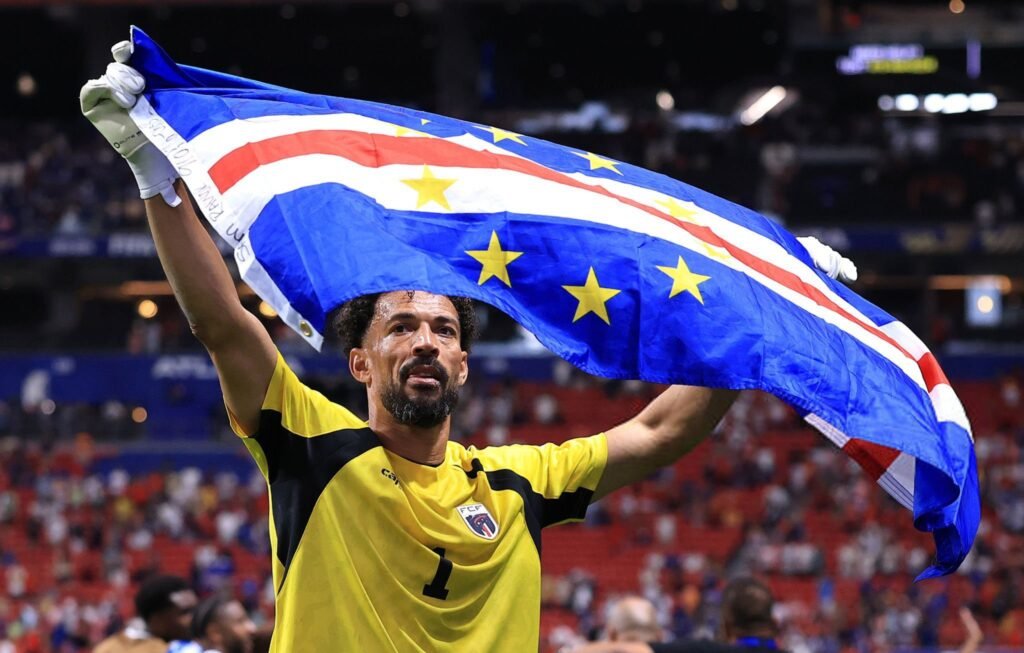
Age is just a number, and Vozinha spent three weeks proving it. At 40 years old, he stood between the sticks against Spain, Uruguay and Argentina and refused to blink, becoming the oldest goalkeeper in history to keep a clean sheet on a World Cup debut.
He walked away from the tournament with his mother finally by his side in the stands, a dream 20 years in the making, and over 18 million new Instagram followers who discovered him overnight. Few storylines in Group C moved neutrals more than his, all delivered by the veteran on Cape Verde’s first-ever World Cup appearance.
He totaled 18 saves at the 2026 World Cup, including eight against Argentina in the round of 32, only two Goalkeeper aged 40+ have made more saves in a single edition, Peter Shilton (28 in 1990) and Dino Zoff (27 in 1982).
While Yasine Bounou was also impressive with two clean sheets and some penalty heroics, Vozinha stood out and beat him to the punch thanks to the narrative behind his run, and keeping out eventual winners, Spain.
African Best XI at the 2026 FIFA World Cup
Left-back: Aubrey Modiba (South Africa)
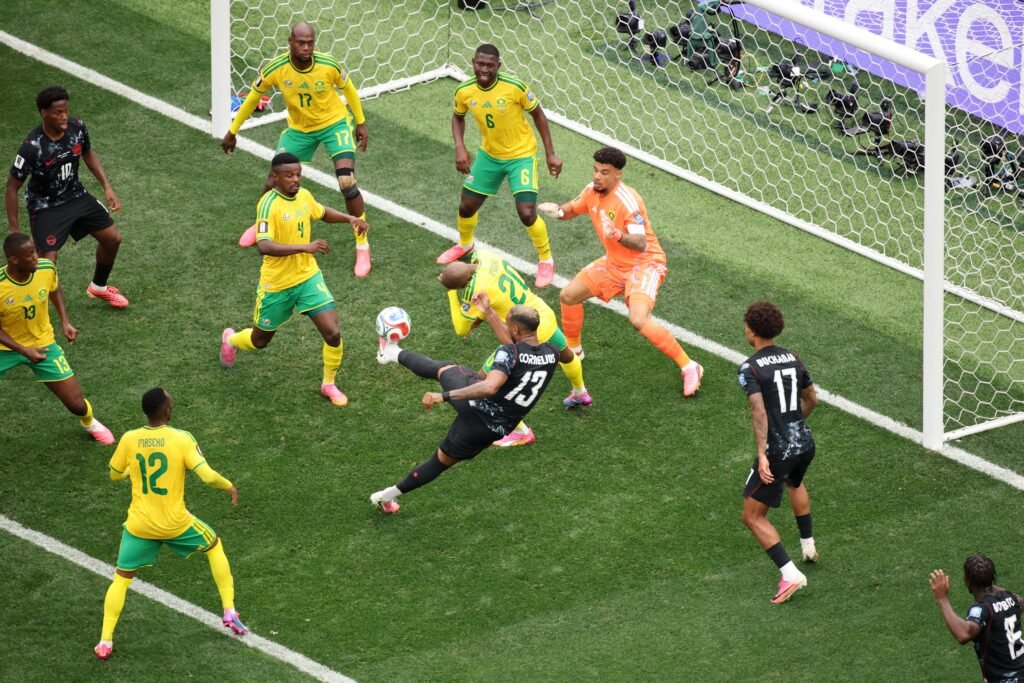
Consistency is its own kind of brilliance, and Modiba delivered it every single Bafan match in a tournament they kicked off with a massive setback, which included two red cards against co-host Mexico.
South Africa’s left flank was locked down for the entire tournament, with the defender never once having what anyone could call a poor game despite having so much to do.
In a Best XI full of statistical fireworks, Modiba’s inclusion is a reminder that reliability wins tournaments too, and his contribution to what was a historic outing for Bafana earns him a deserved spot here.
Centre-back: Noussair Mazraoui (Morocco)
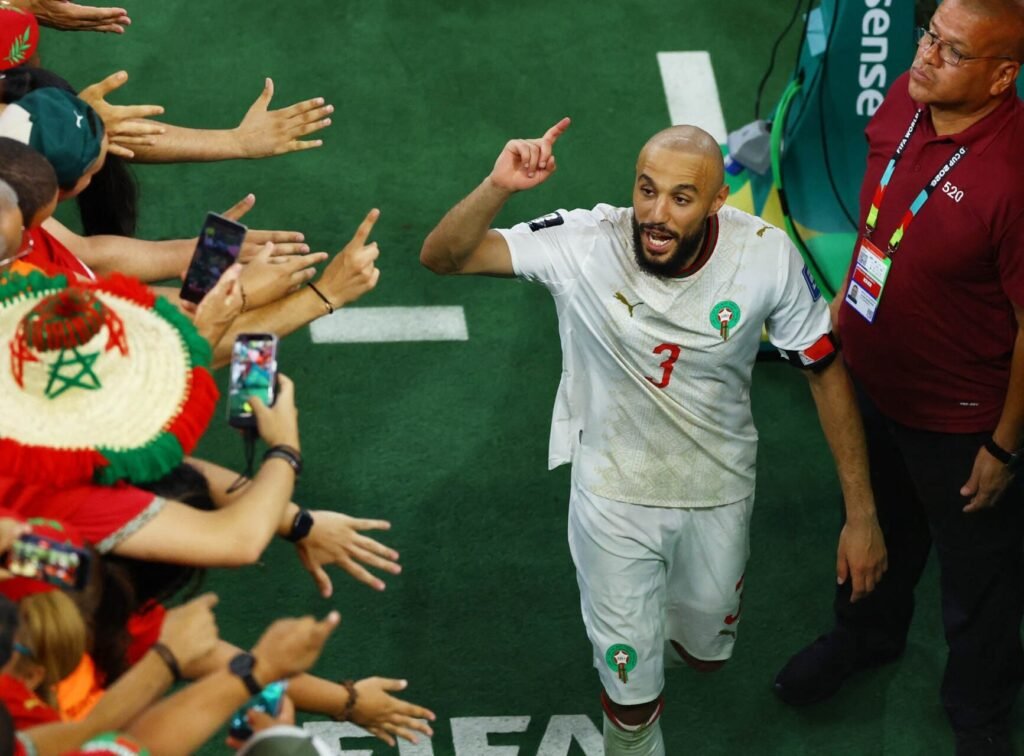
Noussair Mazraoui’s case for this XI isn’t built on goals or headlines, it’s built on sheer defensive dominance, and the numbers back it up emphatically.
In Morocco’s last-16 win over co-hosts Canada, he produced 14 defensive contributions in a single match, a tally that reinforced why Manchester United regard him as a reliable defender heading into next season.
Playing at left-back that night, he was the platform Morocco’s clean sheet was built on, dominant in the air, ruthless in the ground duel, and rarely troubled on the ball, especially in the first half when the co-host were freely flowing.
Mazraoui was simply too good defensively to leave out, even if it means shifting him into the middle of a back two for this XI, after all, only a few African teams stood out defensively.
Centre-back: Chancel Mbemba (DR Congo)
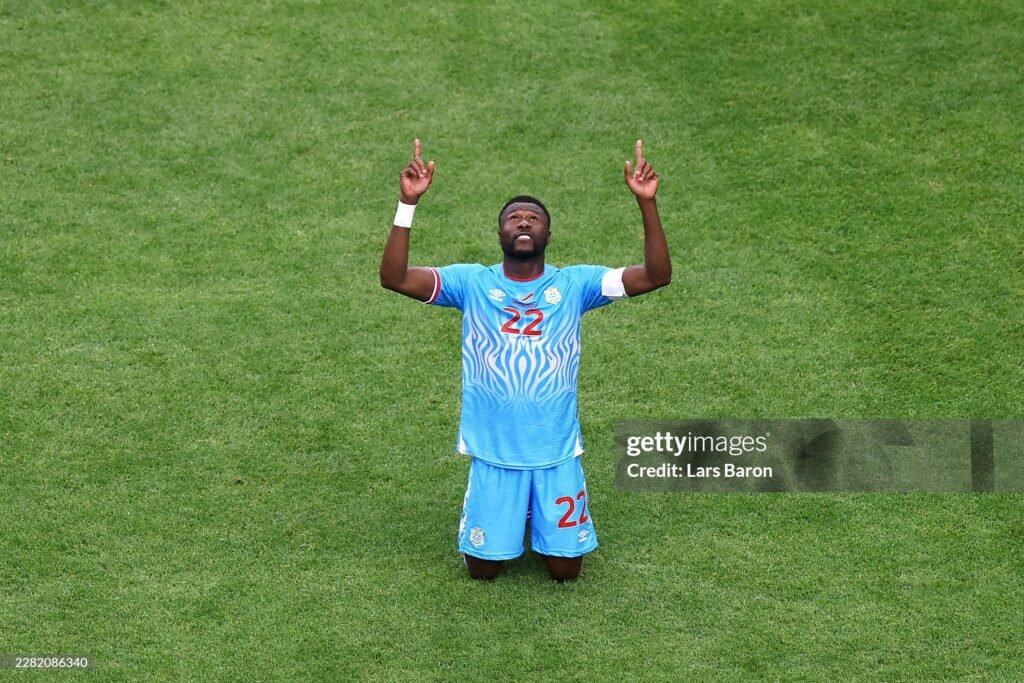
Chancel Mbemba’s tournament will be remembered for one moment as much as any defensive stat: his assist for DR Congo’s opener in the round of 32 against England, a goal that briefly threatened to derail the Three Lions’ campaign entirely.
It was the kind of contribution that shows why the veteran centre-back has been the backbone of Congo’s rise on the continental and world stage.
He helped the Leopards stand up to top nations like Portugal and Colombia to secure their first-ever knockout spot after beating Uzbekistan in their final group game, their first-ever win at the tournament.
Right-back: Achraf Hakimi (Morocco)
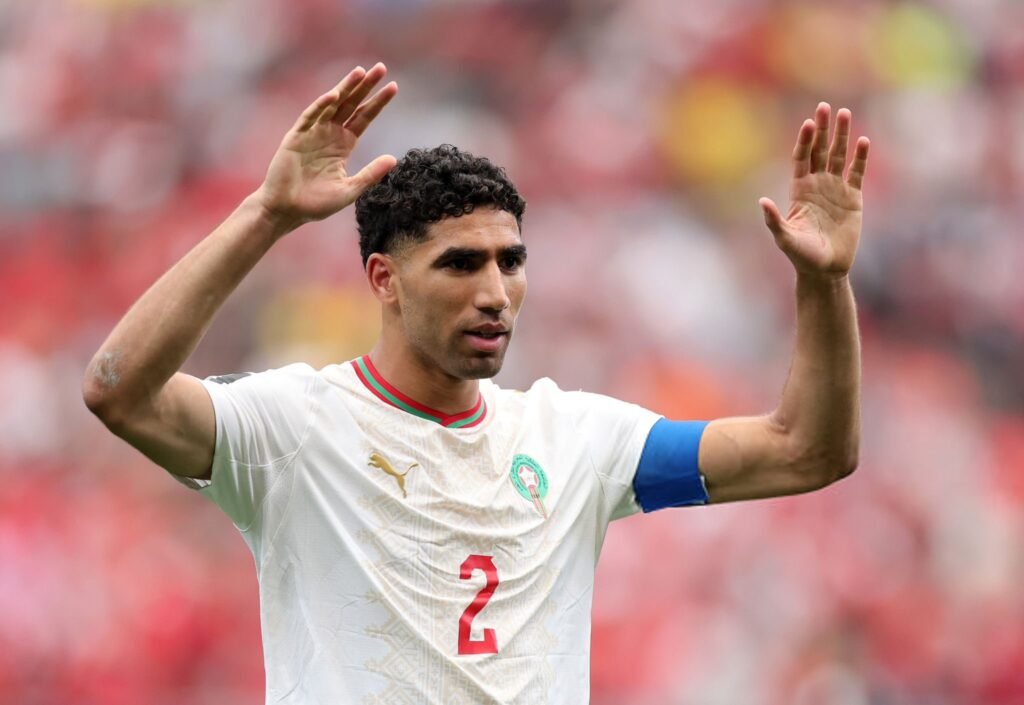
The Morocco captain did exactly what he always does on the biggest stage. Help to control matches from right-back while still hurting teams going forward, contributing one goal and two assists in six games.
Hakimi’s influence on this Morocco side goes beyond any single stat line. He is the heartbeat of a team that has now gone deep into consecutive World Cups, and his presence alongside Mazraoui gave Morocco arguably the best full-back pairing at the entire tournament.
The reigning African Player of the Year can be proud of his team’s achievement, even as they just fall short of their semi-final finish in 2022, after losing to France, again, but this time, in the quarter-finals.
African Best XI at the 2026 FIFA World Cup
Defensive Midfielder: Kevin Pina (Cape Verde)
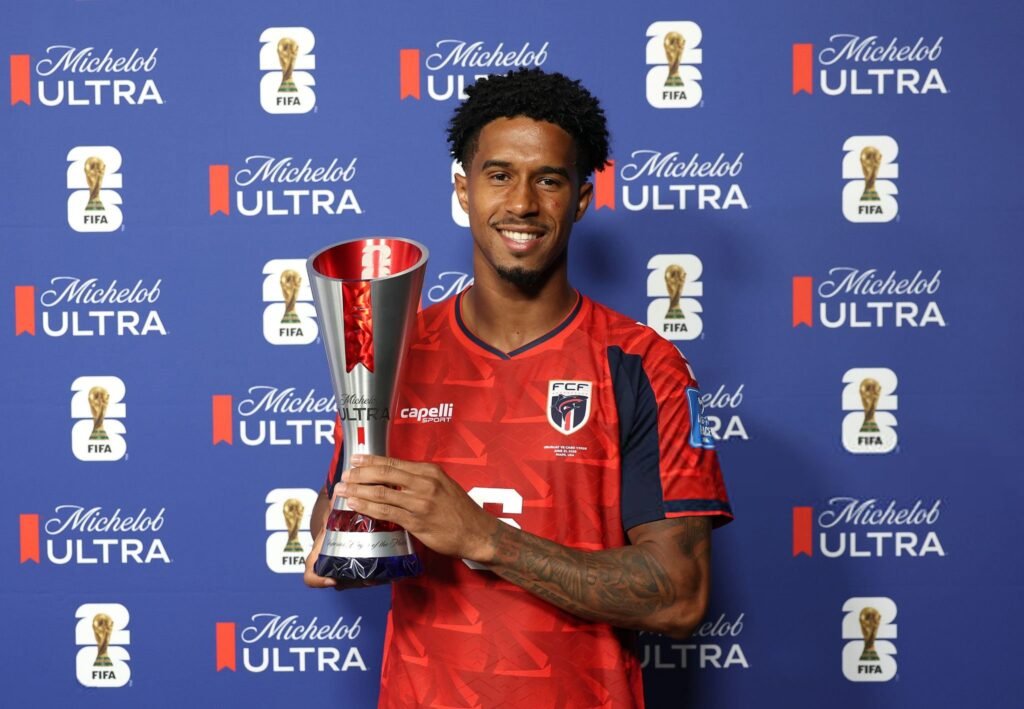
Cape Verde’s fairytale needed a moment to match it, and Kevin Pina delivered one for the ages with his long-range free-kick against Uruguay helping them to their first-ever World Cup goal.
He stood up to some of the best midfielders in the world and never felt out of place, making his outing an iconic item for a nation of fewer than 600,000 people, who headed into the tournament with the odds stacked against them.
Central Midfielder: Marwan Attia (Egypt)
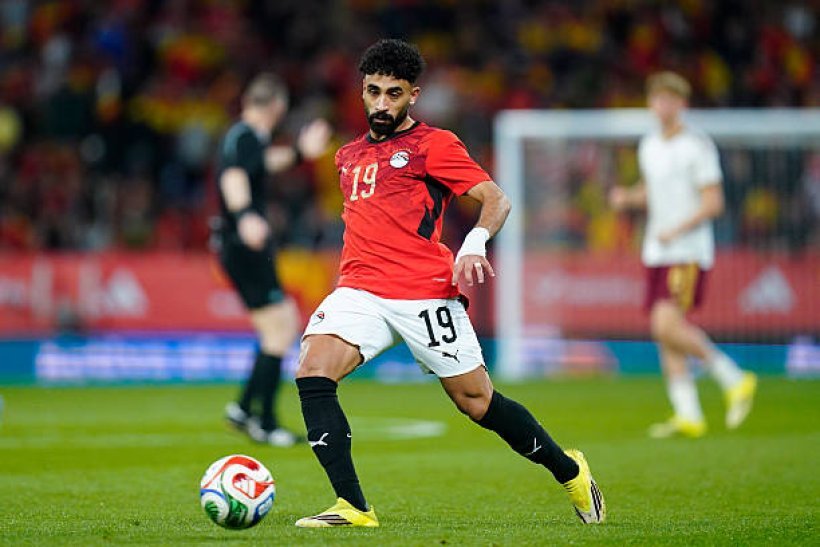
Egypt’s run to the last 16 was built on the kind of steel Al Ahly fans have watched for years, and Marwan Ateya was the man dictating the terms of it.
Against the defending champions Argentina, where their tournament controversially came to an end, he produced the standout moment of Egypt’s tournament: a sensational cross to the back post that Yasser Ibrahim powered home, giving the Pharaohs a shock 15th-minute lead over in Atlanta.
Egypt would eventually go 2-0 up before Argentina staged a stunning late comeback to win 3-2, but Ateya’s fingerprints were all over what very nearly became one of the great World Cup upsets.
He’d already shown that quality was no fluke with a engine and range kept Egypt ticking through five matches that took them from the group stage all the way to a historic round of 16.
Attacking Midfielder: Azzedine Ounahi (Morocco)
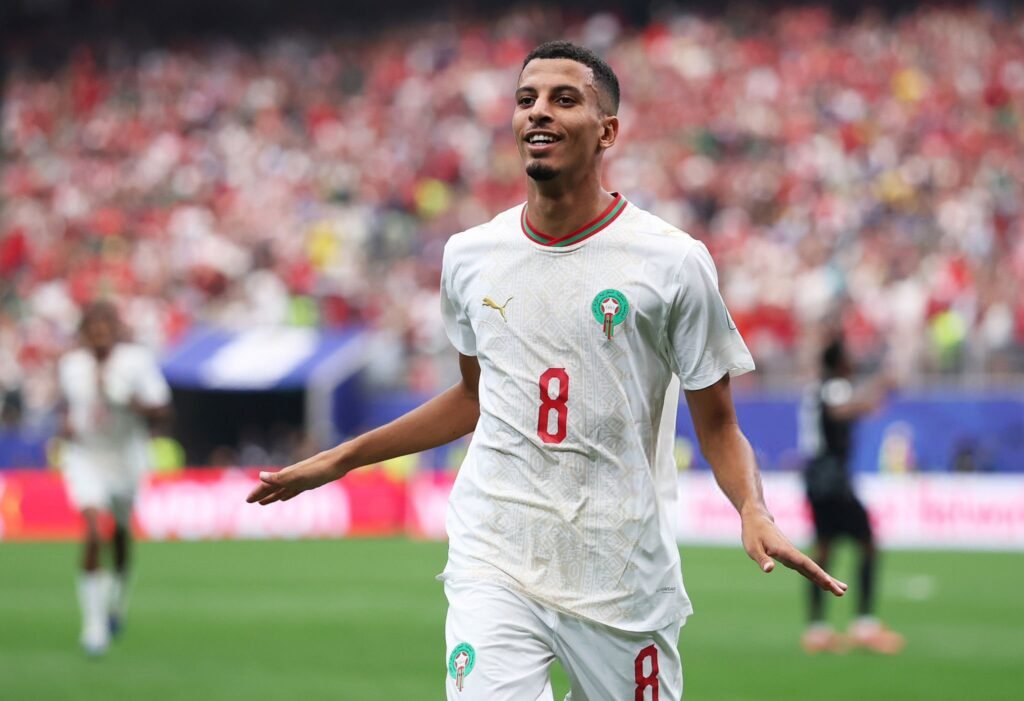
Ounahi’s game is built on relentless, direct running, and the data proves he once again stand out among peers from Africa. Across the last two World Cups, only two players in the world completed more than 20 dribbles while being fouled more than 20 times — Lionel Messi, and Azzedine Ounahi.
That he also scored twice at this tournament, adding end product to his trademark carrying ability, makes him one of the toughest attacking midfielders in the world to legally contain.
African Best XI at the 2026 FIFA World Cup
Right-winger: Brahim Diaz (Morocco)
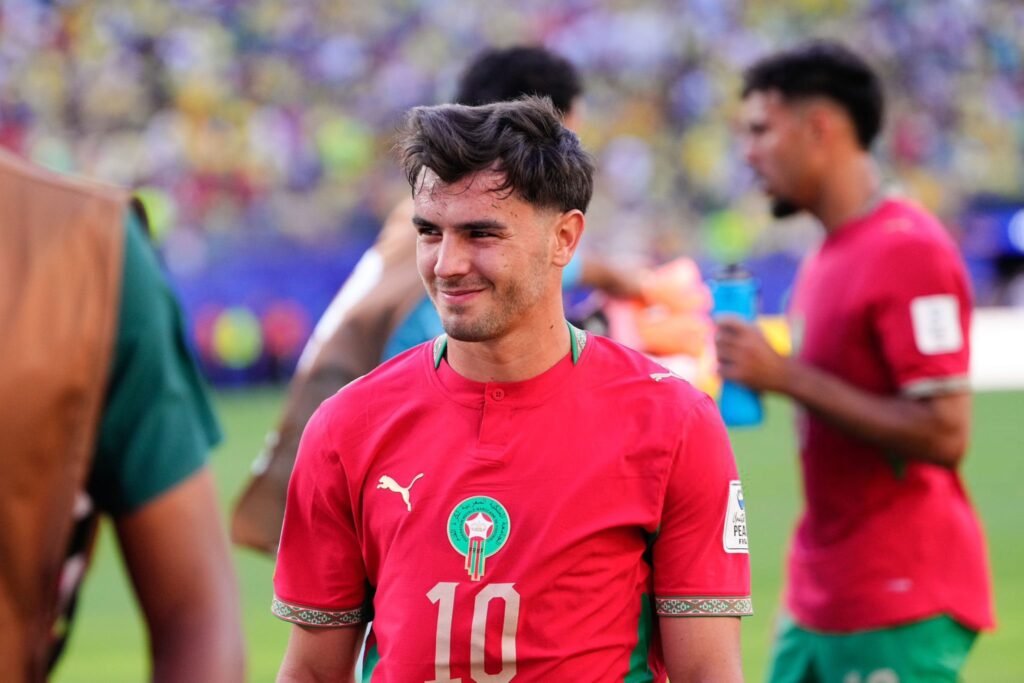
Four assists and counting. Brahim Diaz now holds the record for the most assists by an African player in World Cup history, breaking a mark set by Morocco’s own Tahar El-Khalej all the way back in 1998.
Playing with the freedom of a No. 10 but the end product of a genuine creator, Diaz has been the connective tissue between Morocco’s midfield and attack throughout the tournament.
Left-winger: Ismaila Sarr (Senegal)
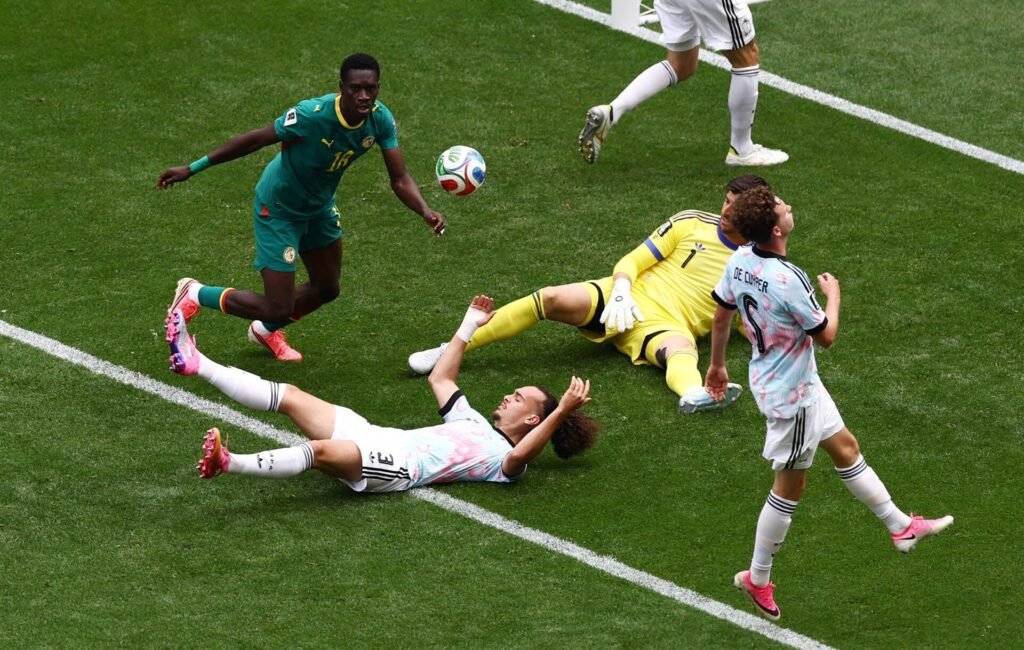
Ismaila Sarr’s tournament reads like a highlight reel written in advance. Against Iraq, he became the first Senegalese player to both score and assist in the same World Cup match, before being joined by two other teammates.
His four total goals make him Senegal’s outright leading scorer at the tournament, and also ties him with Cameroon legend Roger Milla’s 1990 haul for the most goals scored by an African player in a single World Cup edition — company that speaks for itself.
Striker: Ismael Saibari (Morocco)
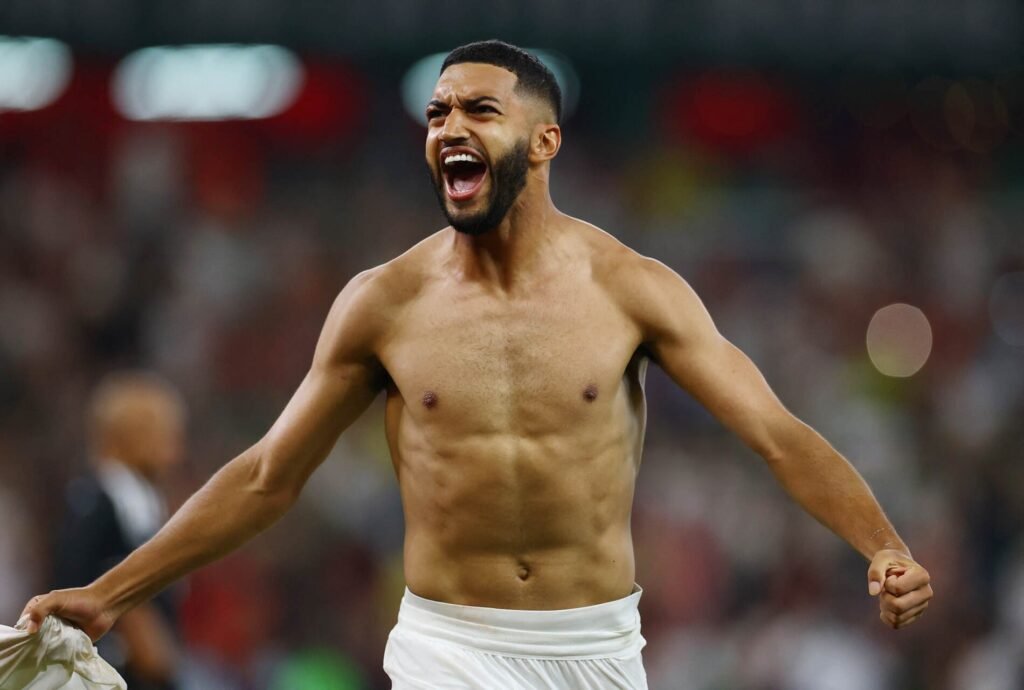
No African player had done what Saibari managed until this summer by scoring in all three of his team’s group-stage matches, as well as the first to score in each of their first three World Cup appearances.
The feat first placed him among an elite group globally, and it also makes him the first African player to score three goals in a single World Cup since Ghana’s Asamoah Gyan in 2010 before Sarr broke that later in the tournament.
Maybe he could have had more, but was unfortunately subbed off early against Canada in the round of 16 following and injury that ultimately spelt the end of his tournament in North America 2026.
Special Recognition
Young Best Player; Ayyoub Bouaddi (Morocco)
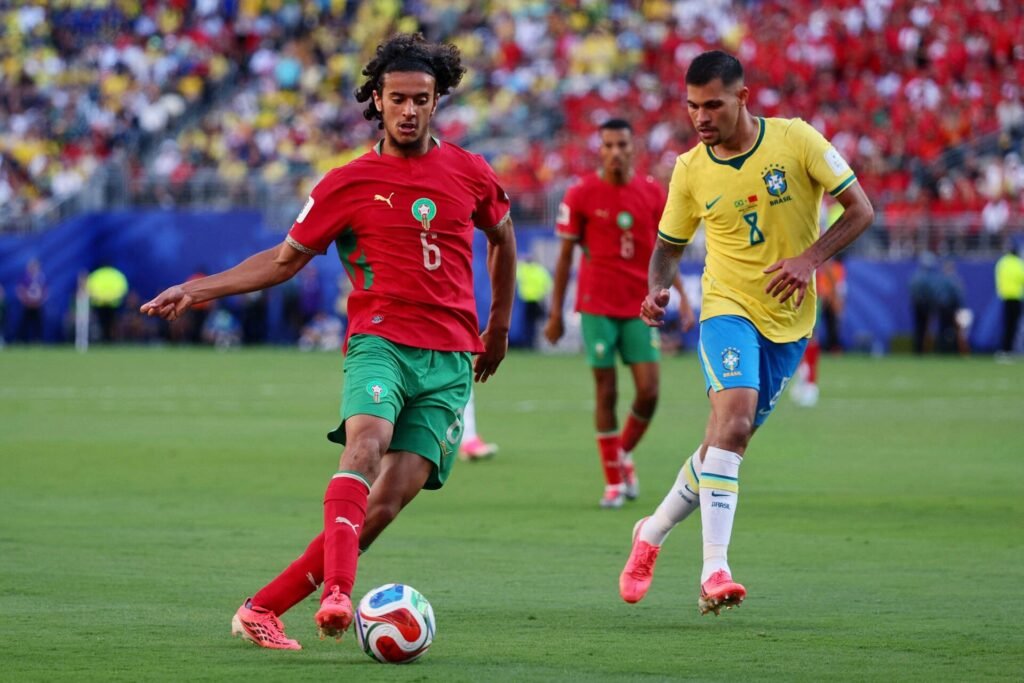
Still a teenager and already a World Cup institution, Ayyoub Bouaddi became the first African player ever to make five World Cup appearances before turning 20, and at 18 years and 280 days old.
He also became the second-youngest player in history to feature in a World Cup quarter-final after Pelé, and surprisingly, never felt out of place despite this being his first-ever tournament appearance for the Atlas Lions.
Morocco’s midfield engine room was carried by a kid who should, by most timelines, still be finding his feet, and that, adding to the couple of milestones achieve, will make Ayyoub Bouaddi a famous name in history of Africa at the World Cup.
Kehinde-Hassan Afolabi
