
By Kehinde-Hassan Afolabi
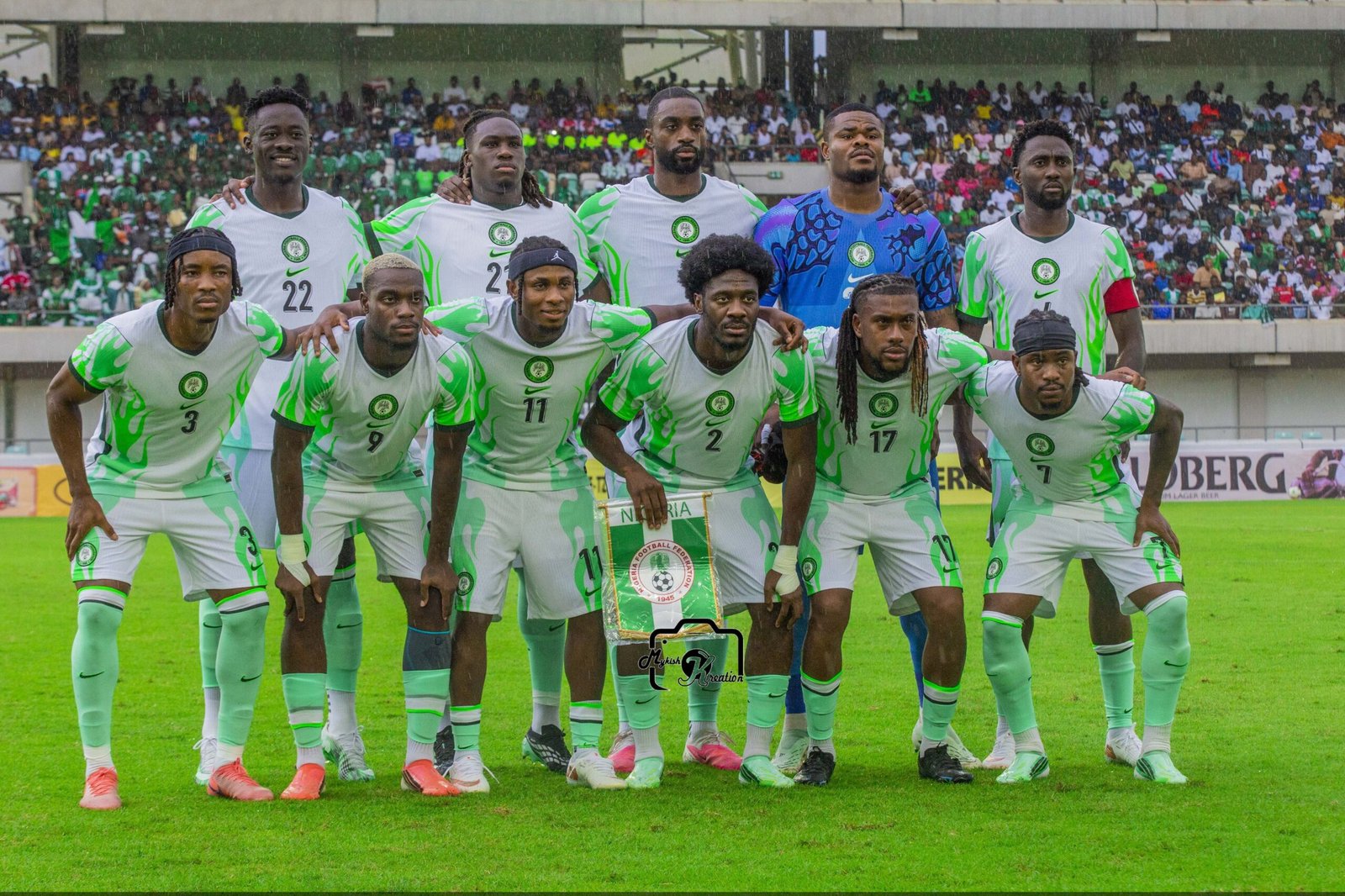
In the absence of Victor Osimhen, debutants George Ilenikhena and Moses Usor outshined the other Super Eagles attackers to deliver a comeback win in the Africa Cup of Nations qualifiers at the Godswill Akpabio International Stadium in Uyo.
The significant actions of the game, from conceding an early goal to the desperate search for a response, till Ilenikhena’s leveler and Usor’s winner, sent a wave of concerns but also highlighted how Nigeria may have learned something from the painful experience that ultimately contributed to their failure to qualify for the 2026 FIFA World Cup.
Madagascar took the lead in the 16th minute through Clément Couturier, who headed home from Ryan Ponti’s cross, leaving Nigeria with another familiar problem: how to respond when their most important attacking outlet is unavailable.
But unlike several occasions during the World Cup qualifying campaign, the Super Eagles eventually found answers. Ilenikhena marked his senior debut with the equaliser before Usor, another debutant, completed the comeback to give Eric Chelle’s side three points from their opening Group L fixture.
Nigeria struggled for goals without Osimhen, again
Despite the dominant display and eventual victory, the seasoned Super Eagles attackers had nothing to show in productivity, a familiar occurrence whenever Victor Osimhen missed out of games in the qualifiers for the 2026 FIFA World Cup.
This was one of the biggest concerns surrounding Nigeria before the Madagascar game after Osimhen was ruled out of the September qualifiers because of a muscle injury suffered while playing for Galatasaray, leaving Chelle without the striker who has scored 35 goals in 52 caps in Green and White.
The problem is not simply that Nigeria miss Osimhen’s goals. His absence has repeatedly exposed how dependent the team can become on one player to turn pressure into goals.
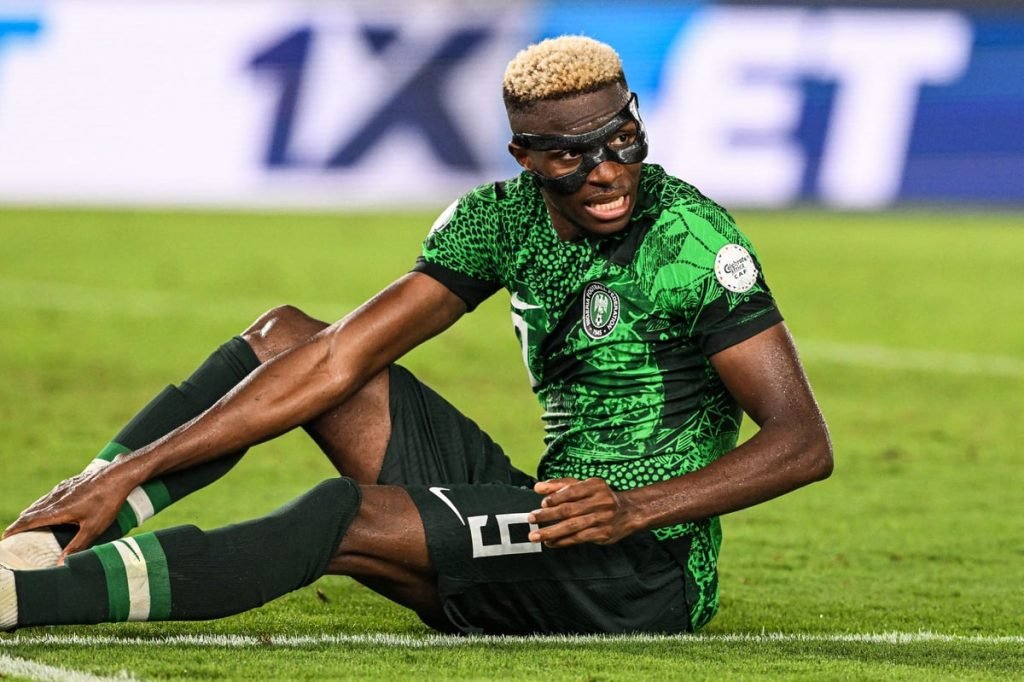
That was particularly obvious during the 2026 World Cup qualifying campaign, where Nigeria struggled for goals without Osimhen, scoring only once and dropped points in each of their opening four qualifiers before the striker returned and scored twice against Rwanda in March 2025.
The eventual failure to reach the World Cup made the issue even more significant because it resulted in first-ever back-to-back World Cup absence since their first appearance in 1994. Super Eagles won only four points from a possible 15 in matches when Osimhen was unavailable, while the striker himself scored eight goals in seven World Cup qualifiers.
That is why Madagascar represented another test of the same problem.
The big name attackers failed to take responsibility
Ademola Lookman, Samuel Chukwueze and Akor Adams all started the game and, despite having decent outings, they failed to make telling impacts, while both Taiwo Awoniyi and Tolu Arokodare were outshined off the bench by Moses Usor.
Nigeria created four big chances in the win, and none of the seasoned attackers managed to get on the end of one. Maybe, without the intervention of the new attackers, the Super Eagles would have started these qualifiers with the feeling of déjà vu.
That is the most important similarity with the World Cup qualifying campaign. Nigeria often had players capable of producing something special, but the collective attacking output became less convincing when Osimhen was missing.
Against Madagascar, the difference was that the newcomers did what the experienced players could not.Ilenikhena, who had only just received his first senior call-up, showed the composure required to react inside the box and score his first international goal. Usor then completed his debut in even more memorable fashion by producing the winner.
It was the kind of contribution Nigeria had desperately needed from its established attackers during the World Cup qualification struggle, and coming from newcomers is better hope for the future.
The newcomers have changed the conversation
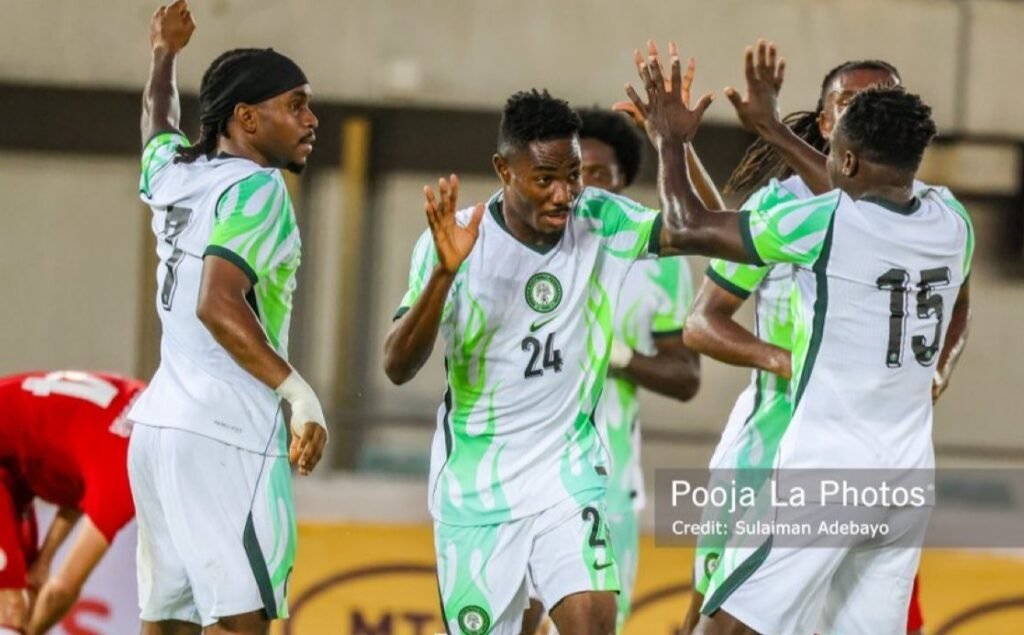
Nigeria’s rebuilding process means Chelle cannot simply rely on the established names because of reputation. The Madagascar game provided another reminder that competition for places has to be based on what players produce for the national team.
Ilenikhena arrived in camp with six goals and two assists in nine appearances for Al-Ittihad this season, while Usor came off the back of a successful campaign with LASK, where he helped the Austrian club win the league and cup double.
Their impact in Uyo now gives Chelle another selection headache, but it is a welcome one.
The Super Eagles has embraced a rebuilding process after recent heartbreaks and the manager could be left with very surprising calls if the seasoned attackers do not step up while they are continually outshined by the newcomers.
That does not mean Ilenikhena and Usor have suddenly solved Nigeria’s attacking problems because one game cannot erase the need for experience, consistency and proven production at international level. But it does show Chelle that there are alternatives.
And perhaps more importantly, the debutants have demonstrated that Victor Osimhen’s absence does not automatically have to mean Nigeria’s attack loses its cutting edge.
A different drama to a familiar dilemma
There is an important distinction between saying Nigeria cannot win without Osimhen and recognising that the team has historically struggled to replace his influence.
The Super Eagles have won without him, including their friendly victories over Iran, Jamaica and Zimbabwe, but competitive matches have presented a different challenge. That is why the Madagascar victory matters beyond the three points.
Nigeria conceded first, faced a potentially frustrating opponent and entered the second half needing to seize momentum after leveling the score just before halftime. Fortunately the response eventually came from a player making their senior international debut.
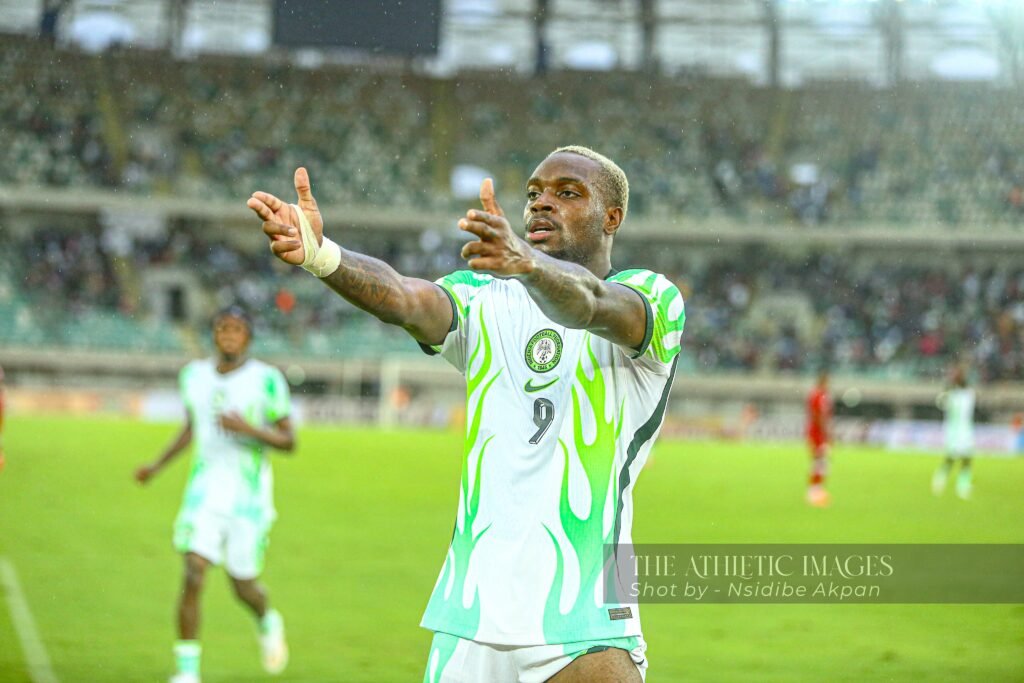
It was almost the same dilemma Nigeria experienced during the World Cup qualifiers, but this time the outcome was different.Instead of another match in which the absence of Victor Osimhen became the defining attacking problem, the Super Eagles found two unexpected solutions.
Eric Chelle still has plenty to improve
Eric Chelle will be delighted to kick off the Africa Cup of Nations qualifiers with a victory, but he would know that his side has so much to improve, especially when they head out for the second game of the break away to Guinea-Bissau.
The victory was hard-fought rather than completely convincing, and Madagascar’s early goal exposed some of the defensive and attacking issues Nigeria still needs to address ahead of facing a team that beat co-hosts Tanzania 2-0.
That result makes Nigeria’s next assignment even more important. With Tanzania already qualified as a co-host, only the highest-placed team other than Tanzania from Group L will secure the remaining qualification place, increasing the importance of every point.
Chelle will therefore want more from Lookman, Chukwueze, Adams and the other established attackers. The message from Uyo is not that the old guard has become irrelevant, but that their places can no longer be taken for granted.
George Ilenikhena and Moses Usor stepped forward when the experienced attackers could not, turning what could have been another frustrating night without Osimhen into a winning start.
That is encouraging for Chelle. But it also creates a new demand on Nigeria’s established stars: when Osimhen is unavailable, they must prove they can carry more of the attacking responsibility rather than waiting for the team’s biggest goalscorer to rescue them.
The Super Eagles have already experienced the consequences of failing to do so, and the Madagascar victory offers evidence that things can be different this time.

1 Comment
Nice one